
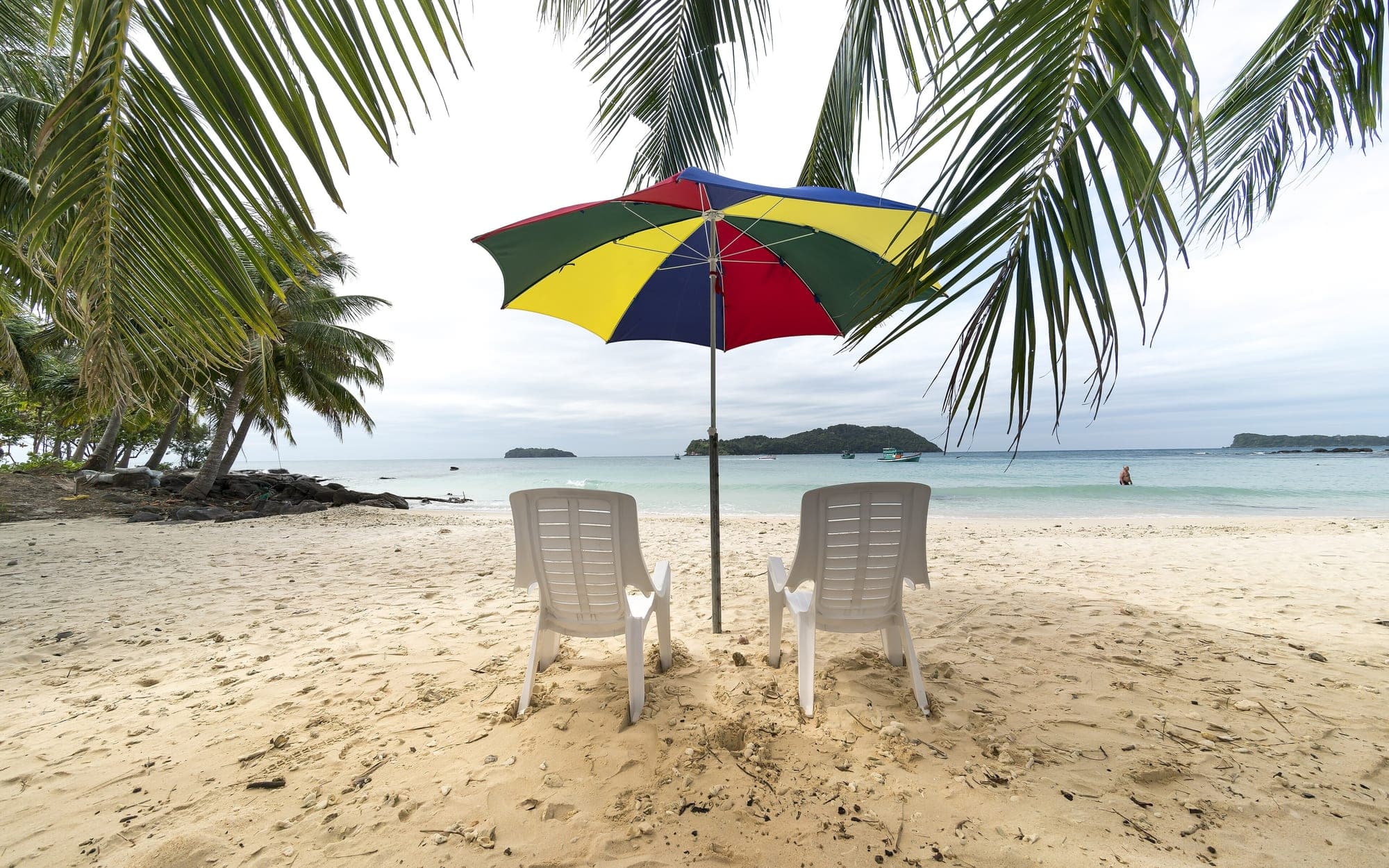
Full guide · 2026
Phú Quốc travel guide 2026 — from Luna Oriental
Phú Quốc in 2026 is a different island than the one in the old guidebooks. The main road is finished, the airport has direct flights from Seoul, Taipei and Singapore, and after Vietnam’s mid-2025 province merger the island sits inside An Giang province (not Kiên Giang anymore). This is everything we’d tell a friend coming to stay — written from Bãi Trường by people who actually live here.
Best time to visit Phú Quốc in 2026
Two clear seasons:
- Dry season (November – April): clear skies, soft wind, see-through water. High season — room rates run 1.5 to 2 times higher. Book 3–4 weeks ahead for December and the New Year week.
- Wet season (May – October): short afternoon showers, swimmable mornings, cheaper rooms, quiet beach. This is the season Luna loves most.
September and October are the deepest off-season — if you don’t mind a little rain, this is when the same room costs the least.
Getting to Phú Quốc
By air: Phú Quốc International (PQC) has direct flights from Hanoi, Saigon, Da Nang, Hai Phong, and from Seoul, Taipei, Singapore and Bangkok. Domestic fares are usually cheapest on Tuesday and Wednesday — book 6 to 8 weeks ahead.
By ferry: from Hà Tiên or Rạch Giá on the mainland. Around 2.5 hours, ~350,000 VND one way. Worth it if you’re already in the Mekong Delta.
Airport to Bãi Trường: a short drive, about 15 to 25 minutes depending on the hour. Grab works at the airport, so does the metered taxi line. We can pick you up for the same price as a taxi — message us your flight number and we’ll meet you so you skip the queue at arrivals. Full breakdown in our airport-to-Sonasea transfer guide.
Getting around the island
Phú Quốc is 50 km long and there is no cheap taxi that runs end to end. Two real options:
- Rent a scooter: 150,000–200,000 VND per day. Roads are good, traffic stops are rare, and you’ll go places a driver won’t. We lend scooters to guests staying three nights or more.
- Book a car by the day: Grab is reliable around Dương Đông and Bãi Trường, sparse toward An Thới in the south. For a full day of touring, book a car through your hotel — around 700,000 VND per day with driver.
We don’t recommend renting a self-drive car. Narrow lanes, very little parking.
Where to stay in Phú Quốc
The island has four zones worth knowing:
- Dương Đông: the old town, the night market, closest to the airport. Good for one or two nights.
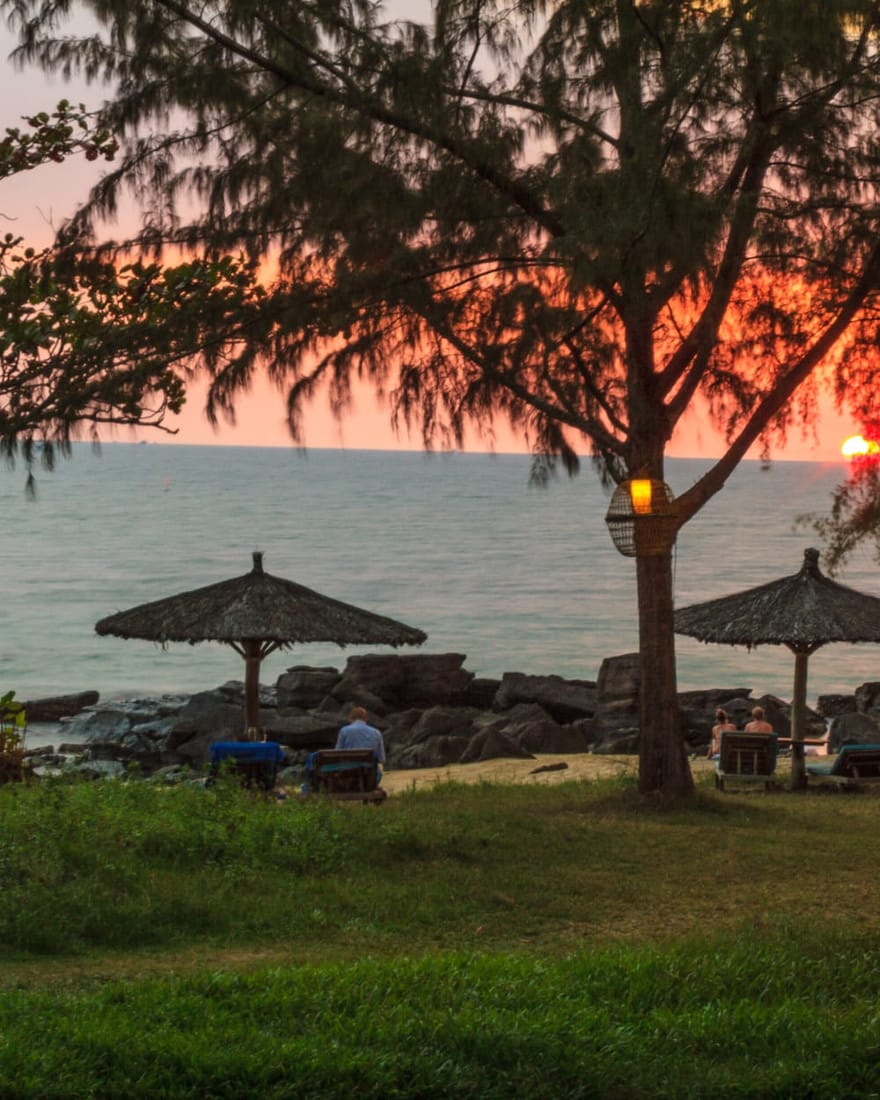
- Bãi Trường: the 20-km west-coast beach, best sunsets on the island. This is where Luna is.
- Bãi Sao – An Thới (south): white sand, near the Hòn Thơm cable car.
- Bãi Dài – Gành Dầu (north): quietest, close to Vinpearl, fewer local food options.
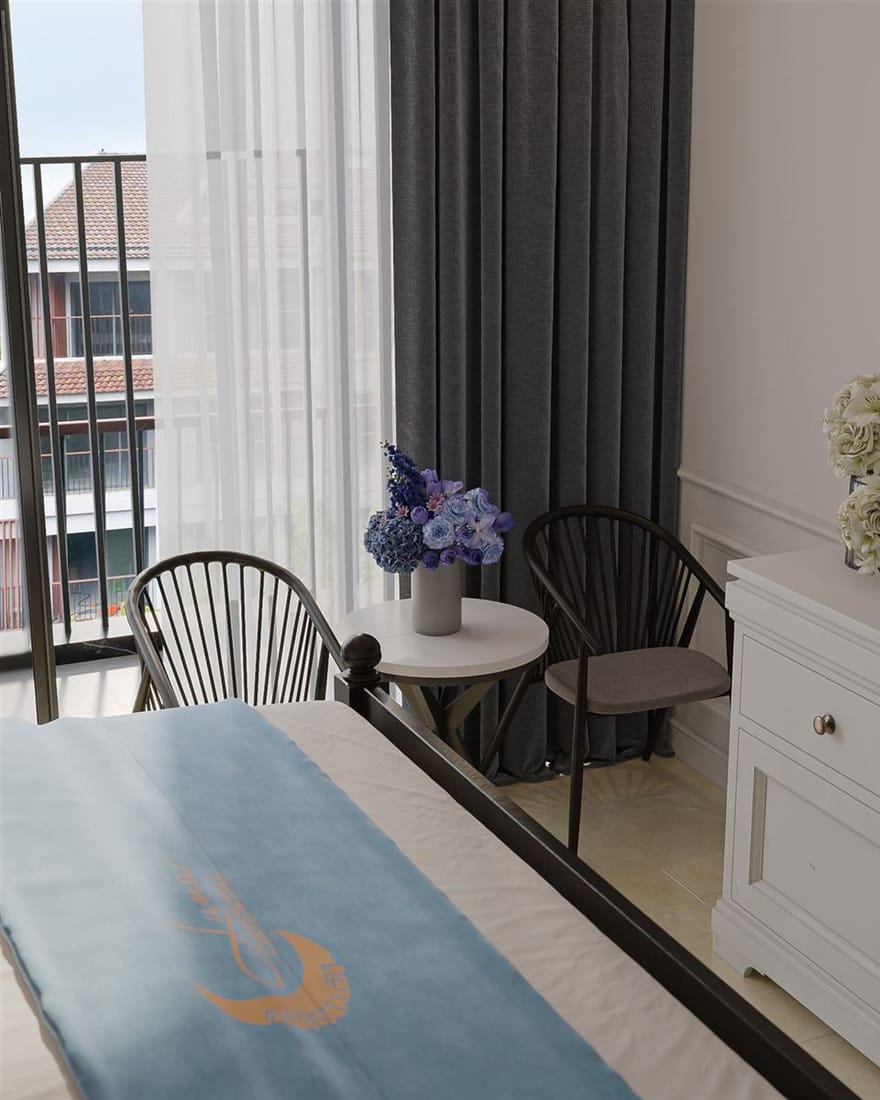
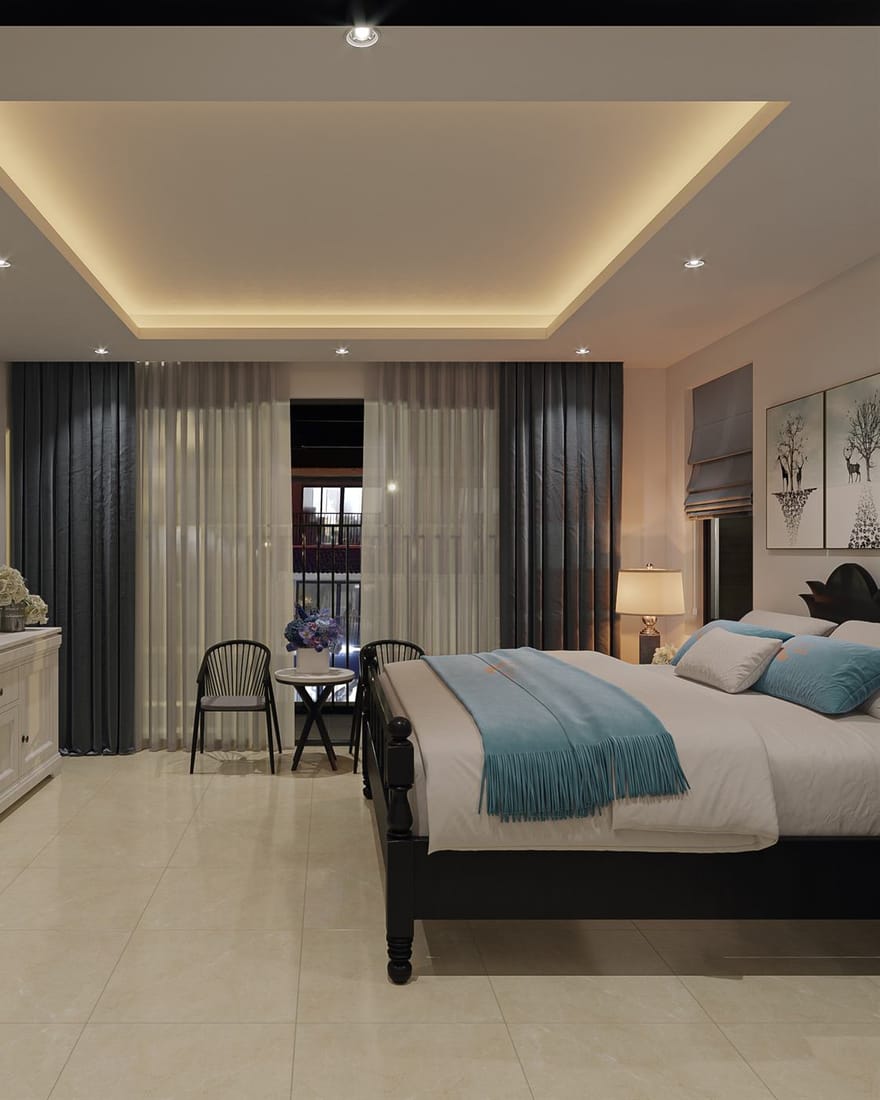
Luna Oriental sits inside Sonasea at SS27, Bãi Trường — five minutes’ walk to the sand, about twenty minutes’ ride to the Dương Đông night market. Eighteen rooms, no two alike. See our rooms and rates, or write to us directly — our direct rate is never higher than the OTAs.
Phú Quốc by area: what is where
The island is long and thin, and most days out go in one direction. Knowing what sits where saves an hour in the car.
- North, from 40 minutes to a little over an hour from Bãi Trường. The wild coast: Bãi Dài, the starfish shallows at Bãi Rạch Vẹm, and the fishing village at Gành Dầu with Cambodia on the horizon. Inland are the national park, the Cửa Cạn river for a quiet paddle, a bee farm and the pepper farms. The big ticketed places are here too: VinWonders, Vinpearl Safari and Grand World.
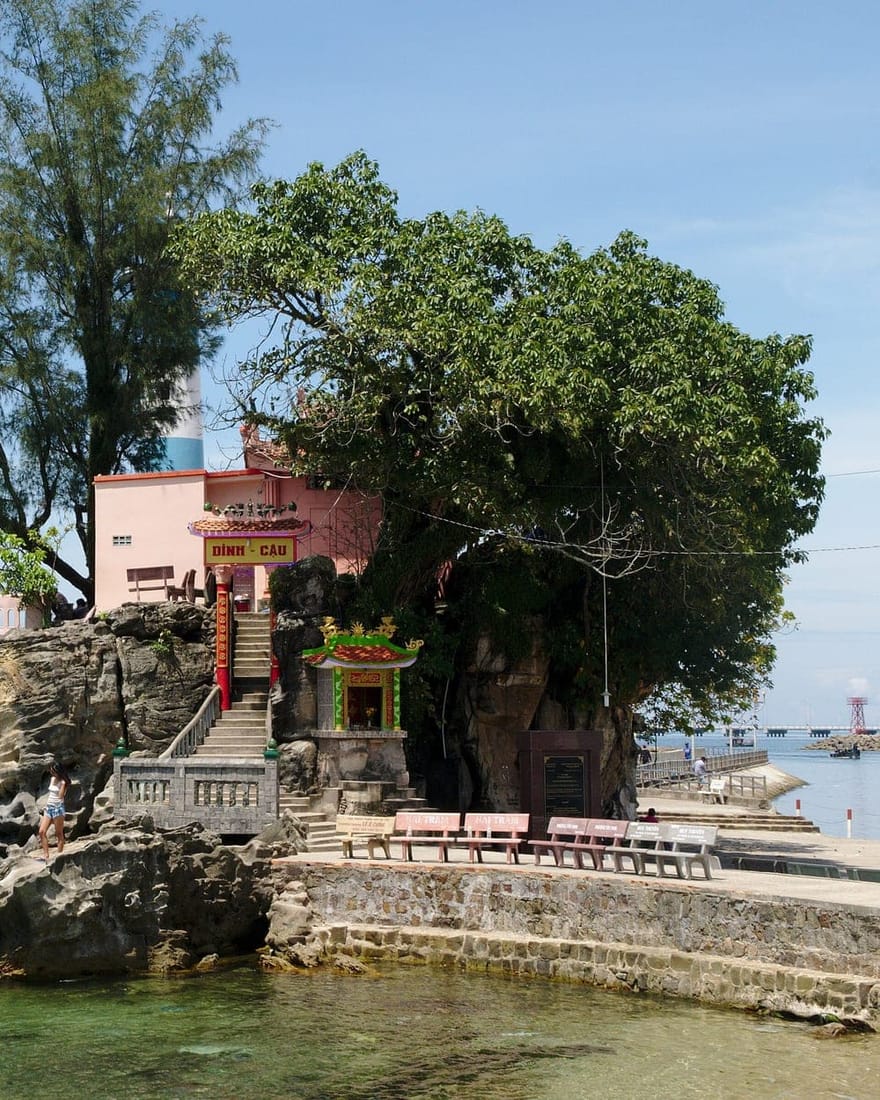
- Dương Đông and the middle, 20 to 25 minutes. The old town: Dinh Cậu on its rock, the morning market, the night market, the Cội Nguồn Museum, and the fish sauce barrel houses. Pearl farms line the coast road on the way. Just north of town is Bãi Ông Lang. Inland, the streams Suối Tranh, Suối Mơ and Suối Đá Bàn run in the wet months.
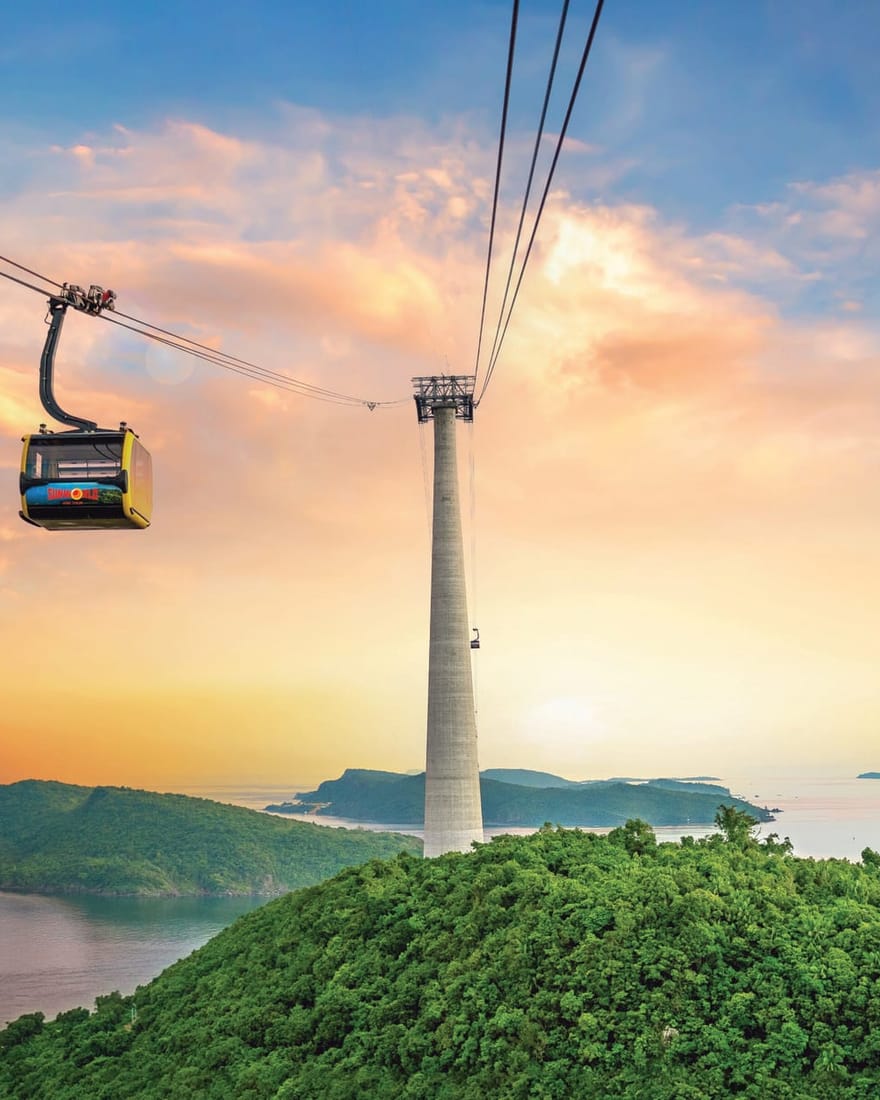
- South, 40 to 50 minutes. Sunset Town and the Hòn Thơm cable car, the white-sand coves of Bãi Sao and Bãi Khem, Phú Quốc Prison, Hộ Quốc Pagoda, and the boats from An Thới for snorkelling and diving.
- East, about 30 minutes. Hàm Ninh, the oldest fishing village, for crab on the jetty, and the ferry port at Bãi Vòng. This is also the side for sunrise.
Where to eat in Phú Quốc
Phú Quốc in 2026 still has plenty of cheap, sharp local food that hasn’t been swallowed by the big hotel chains. A few we send guests to:
- Bún quậy at Dương Đông — a noodle dish that’s a local specialty, eaten for breakfast. You mix the dipping sauce to your own taste.
- Hàm Ninh seafood — go for late lunch, steamed flower crab and grilled finger snails. Read our note on Hàm Ninh fishing village.
- Gỏi cá trích (herring salad) at Gành Dầu or Bãi Vòng — wrap it in rice paper with wild herbs.
- Grilled sea urchin with spring-onion oil — at small shacks along Bãi Trường, in season March to July.
If a menu lists prices in USD before VND, the prices are usually 2–3 times higher than local rate.
A few more bowls worth a morning: bún kèn, the coconut fish noodle soup that sells out before eleven, and bánh canh chả cá, the everyday fish-cake soup. If you don’t eat meat or fish, Dương Đông has a small circle of vegetarian kitchens. For an evening without a car, the Sonasea food street is a five-minute walk from Luna, and the beach cafés on Bãi Trường face the sunset.
To take home: barrel-aged fish sauce (checked luggage only), one-sun dried squid, a bottle of sim wine, and pepper from the farms.
Things to do in Phú Quốc
For a three-or-four-day stay, a few small ideas:
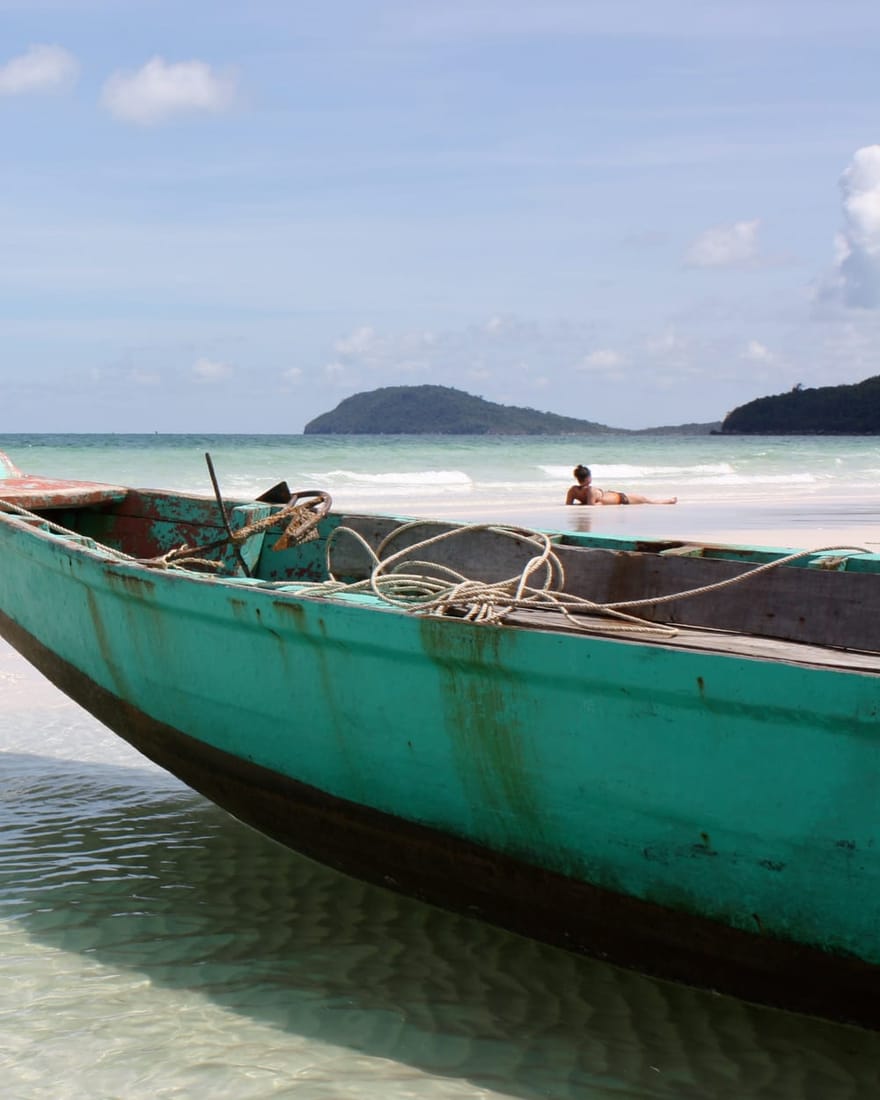
- Bãi Trường beach walk at dawn: the local fishing boats come in around seven, and a few of them sell their catch on the sand. Our note here.
- Sunset at Sunset Town: near An Thới, best between December and March. How we’d do the trip.
- Hòn Thơm cable car: 7,899 m, longest in Southeast Asia. Go in the morning for good light.
- VinWonders + Safari: a full day, good for families with small children.
- Snorkelling at the An Thới islands: small-boat day trips ~500,000 VND a head.
- Dương Đông night market: street food, souvenirs, open from 5 pm.
By what you like
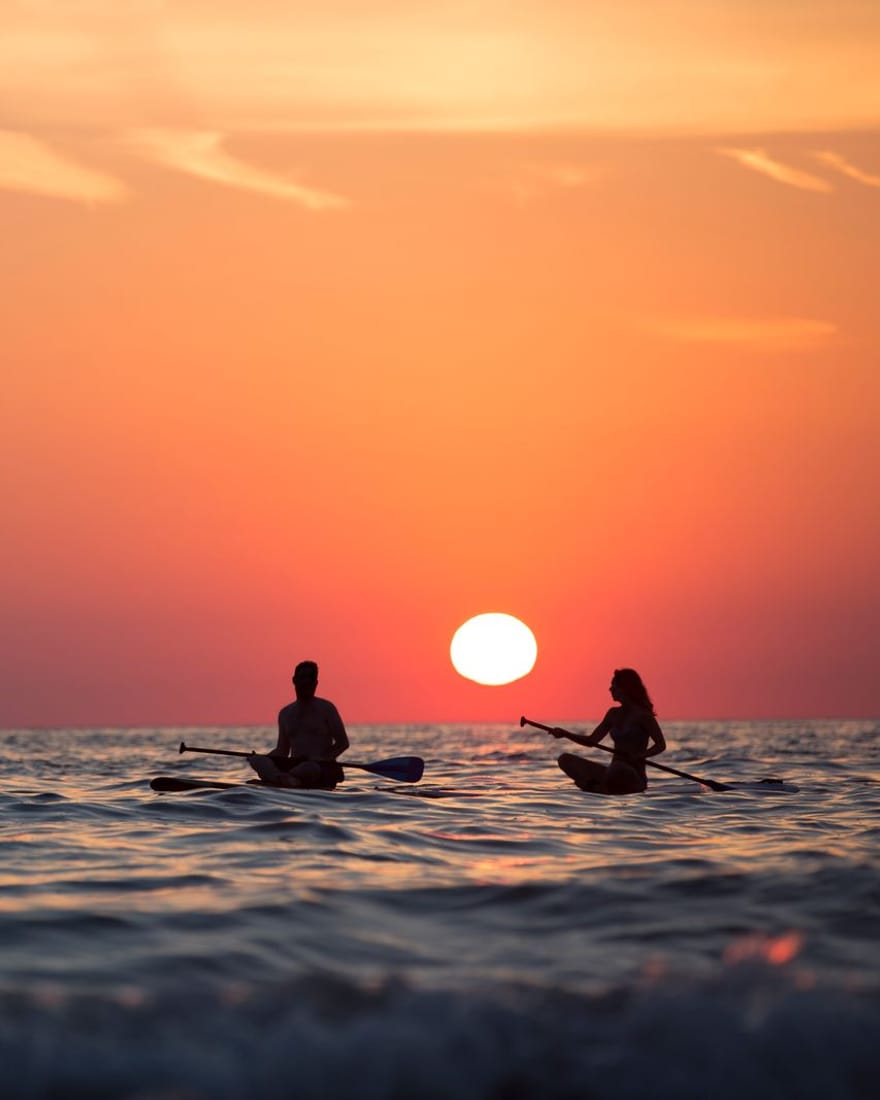
- On the water. Paddleboarding at Bãi Trường before nine, while the sea is flat. Kitesurfing at Bãi Dài from November to April. A calm paddle on the Cửa Cạn river in any season.
- In the forest. The national park is free to enter. The streams are a wet-season trip; from January to April they are close to dry.
- History and belief. Dinh Cậu, Hộ Quốc Pagoda, Phú Quốc Prison and the Cội Nguồn Museum.
- When it rains. A cooking class, a mud bath, a massage, or the free pearl farm tours. More in our rainy-season guide.
- With children. We keep a separate plan for Phú Quốc with kids.
- Festivals. Đoan Ngọ around June, Mid-Autumn and the fishermen’s Nghinh Ông around late September, the Nguyễn Trung Trực days at Gành Dầu around early October, and IRONMAN 70.3 on Bãi Trường in mid-November. The first four follow the lunar calendar, so check the date for your year.
A four-day plan from Bãi Trường
This is the shape most of our guests end up with. Move the days around to suit the weather.
- Day 1, arrive and slow down. Drop your bags, walk five minutes to the sand, and stay for the sunset. Dinner at the Sonasea food street, on foot.
- Day 2, the south. Cable car to Hòn Thơm late in the morning and lunch on the island. Afternoon on Bãi Sao or Bãi Khem. Kiss Bridge at Sunset Town an hour before sunset, dinner at the market there, and the evening show if you have the energy.
- Day 3, the north. In the dry season, start with the starfish at Rạch Vẹm on a low-tide morning. In the wet season, swap it for the waterfall at Suối Tranh. Then the Safari, which opens at nine and stops letting people in at three, or VinWonders if rides matter more than animals. Grand World after dark.
- Day 4, Dương Đông. Be at the morning market between six and nine. Bún quậy for breakfast, the steps up to Dinh Cậu, a fish sauce house, and some pepper to take home. Back on Bãi Trường by lunch, with the airport a short drive away.
Practical notes for 2026
- Phone and data. An eSIM set up before you fly is the simplest. Our SIM and eSIM guide compares the networks.
- Cash. The markets take almost no cards. Carry small notes.
- Scooters. Cheap and easy to rent, but read the licence and insurance notes first. A bicycle is enough for Bãi Trường itself.
- Building work. The island hosts APEC in November 2027. Construction is concentrated in the south near An Thới, well away from Bãi Trường.
- Working while you travel. Honest notes on wifi and places to sit in our remote work guide.
- Seasons in detail. Dry season, month by month, and the rainy season.
Phú Quốc 2026 budget
For two people, four days and three nights:
- Domestic round-trip flights: 1.5–3 million VND per person
- Boutique stay like Luna: 800,000–1,500,000 VND per night
- Food: 200,000–400,000 VND per person per day
- Transport + activities: 1–2 million VND per couple for the whole trip
- Rough total: 8–14 million VND for two
Quiet ways to spend less:
- Book direct with small hotels (like Luna) — our direct rate is never higher than the OTAs
- Eat breakfast at a local spot (bún quậy, bánh canh chả cá) — 30,000–50,000 VND a person
- Buy water and snacks at a convenience store before any tour — prices at the big hotels run 3 times higher
Updated for 2026. We’ll revise this if anything material changes — roads, flights, visa rules, or province lines.
Photo: Quangpraha (CC0), via Wikimedia Commons.

Frequently asked questions
Which province is Phú Quốc in now?
Since mid-2025 Phú Quốc belongs to An Giang province, after the country-wide province merger. The old "Kiên Giang" label is out of date.
Do foreigners need a visa for Phú Quốc?
Visitors to Phú Quốc are visa-exempt for stays of up to 30 days, regardless of nationality.
Is three days enough, or should I plan four?
Four days and three nights fits comfortably: one day for the south (An Thới, Sunset Town), one for the north (Vinpearl or a snorkel trip), one slow day in Bãi Trường, plus a half-day for the night market and the flight home.
How far ahead should I book?
High season (December–March): three to four weeks. Low season: a week is safe. Booking direct with a small hotel is almost always more flexible than the OTAs.