
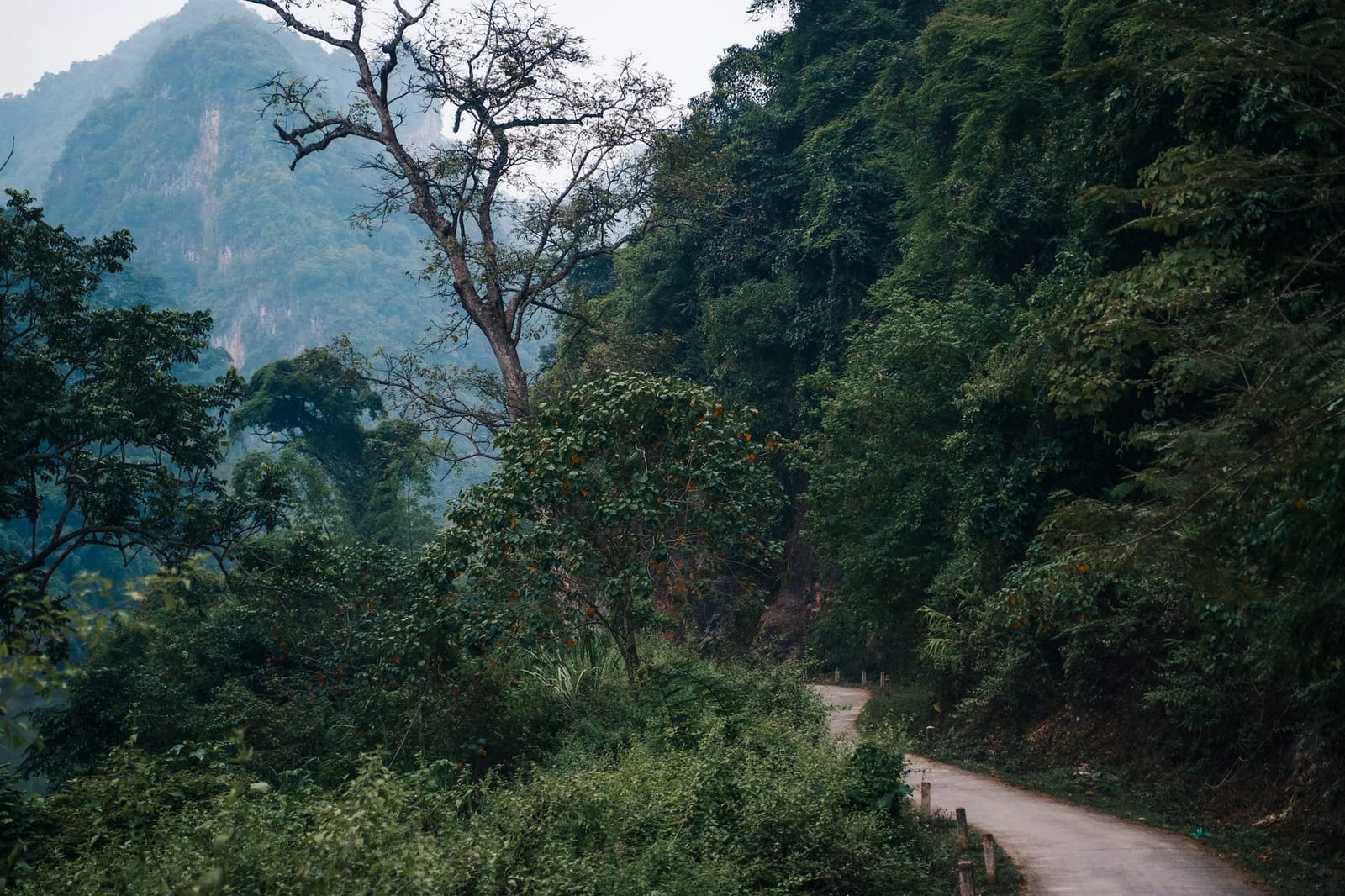
Phu Quoc National Park: 31,000 ha of free rainforest, 200 bird species. Best trails from Bãi Trường, what to bring, and the right season.
Phu Quoc National Park: trails, birds, and how to get there
Most of the island’s visitors stay close to the coast. Phu Quoc National Park sits in the middle and north of Phú Quốc, covering more than a third of the island’s total land area, and most people drive right through it without stopping. The ones who do stop rarely regret it — this is old-growth tropical forest that has been protected since the 1990s and left largely alone.
Free to enter. No gate. No guide required.
What Phu Quoc National Park actually is
Phu Quoc National Park covers roughly 31,000 hectares of primary tropical rainforest — about 37% of the island’s surface. UNESCO designated it a Biosphere Reserve in 2010, recognising both the quality of the ecosystem and the freshwater streams that feed the wetlands in the island’s south.
The forest is dense, humid even in the dry season, and structurally intact in a way that most of Vietnam’s lowland forests no longer are. That translates to a thick canopy, the sound of birds at dawn carrying unusually far in the still air, and macaques moving through the trees above the trails when you arrive early and move quietly.
The park records over 200 animal species, including 30 mammals and nearly 200 bird species. Many are listed in Vietnam’s Red Book or on the IUCN list — not because the park has exceptional management, but because this forest survived when others did not.
Trails inside the park: which one to take
The park is not built around a trail network the way a national park in Europe or the US might be. There are marked routes, but signage can be sparse and conditions change by season.
Gành Dầu Trail is the easiest entry point. The route runs about 5 kilometres through dense forest on mostly flat ground — a dirt-and-gravel track wide enough for two people walking side by side. It handles beginners well: no significant inclines, about two hours in the heat with old-growth trees lining both sides and the canopy closing overhead for most of the walk. Good for a first visit, or for an early-morning birding session.
Hàm Ninh Mountain Range is the more demanding option. The ridge runs along the spine of the island’s north — covered in dense rainforest, with routes that earn their views: panoramic sightlines across the island and out to the Gulf of Thailand. Núi Hàm Ninh (565 m) is the island’s highest point. The ascent is steep in places; go with a local guide if you are not familiar with this type of terrain.
For most visitors on a half-day excursion from the coast, Gành Dầu is the right call. Leave Hàm Ninh for a full day with an early start.
Birdwatching and wildlife in Phu Quoc National Park
Early morning is the window that matters. The productive hours run from roughly 5:30 to 8:00 AM — after that, the heat and footfall push birds up and back into the canopy where they are harder to spot.
Species recorded in the park include the oriental pied hornbill (large and loud — you will hear it before you see it), the black eagle, and the grey-headed swamphen in the wetter lowland sections. The silvered langur, a small primate with silver-grey fur that catches the early light almost transparently, is spotted occasionally along the Gành Dầu trail.
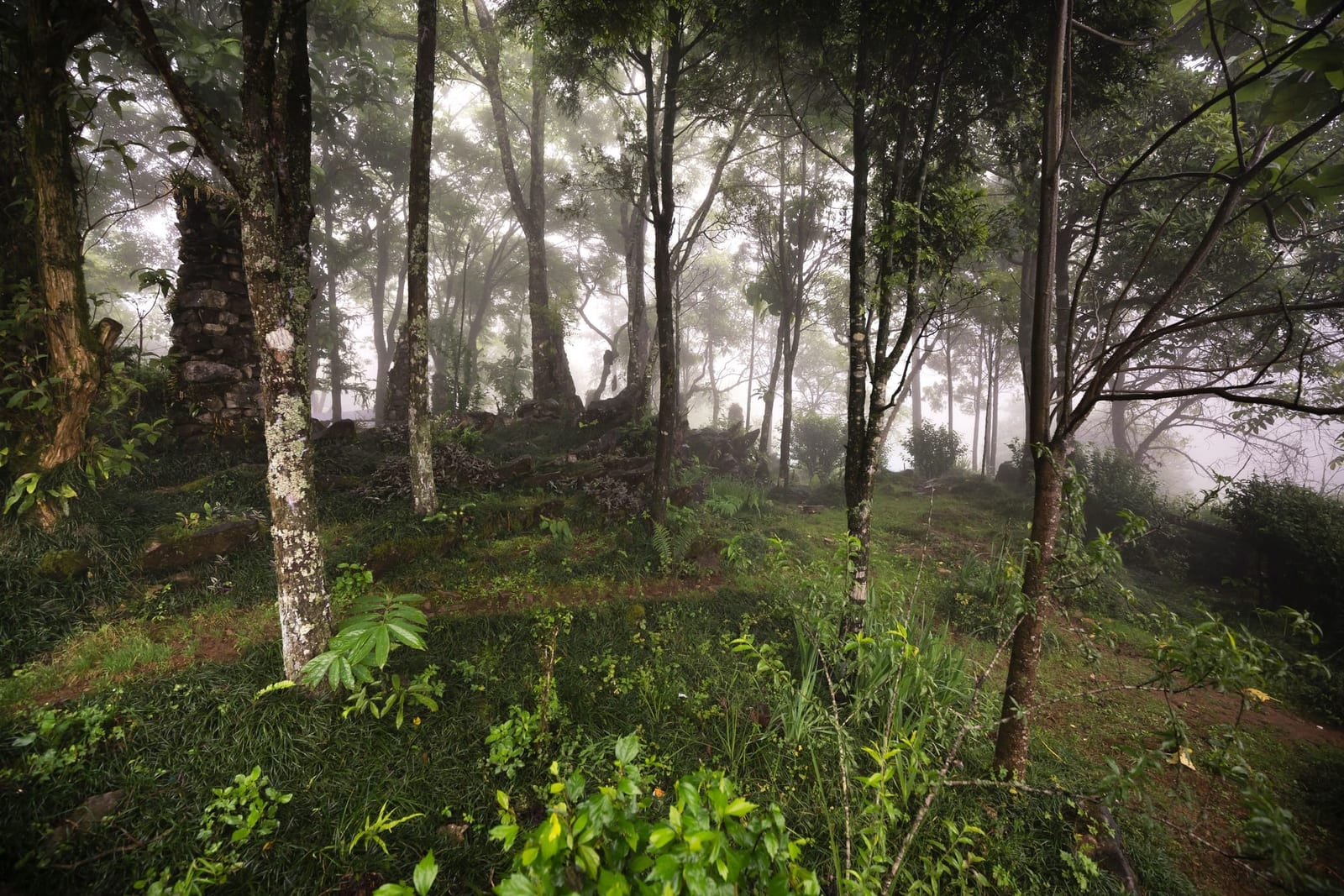
The park’s primary forest in the early morning — this is when the birds and langurs are closest to the trail.
Bring binoculars if birdwatching is the reason for going. A local birding checklist helps you identify calls before you see the bird. Guides are worth hiring for Hàm Ninh and for serious birders on Gành Dầu — they know where the hornbill nests are.
Getting to the park from Bãi Trường
The park begins roughly in the island’s center-north. From Sonasea on Bãi Trường, the drive is about 45–50 minutes by scooter or car — north through Dương Đông, then northwest on the main island road past Cửa Cạn.
The road through the forest is worth noting on its own: tall trees on both sides, almost no traffic in the early morning, and the occasional macaque visible in the roadside vegetation. It is also the same road that continues to Bãi Dài beach — a logical second stop for a north-island day.
No entrance fee and no gate. Park at any trailhead, walk in, and leave when you are done.
For a more structured day, Cửa Cạn kayaking is on the same road heading north — the mangrove river mouth makes a good one-hour stop before continuing to the park. Combined with a morning in the forest and a swim at Bãi Dài, this is the standard north-island circuit and doable in a single day out from Bãi Trường.
Best time to visit Phu Quoc National Park
November to April is the right window. The dry-season forest is no less green (this is evergreen tropical forest — no leaf fall), but trails are drier, creek crossings easier, and the morning skies clearer.
April–May and September–October are the transition months when migrating species pass through, pushing the bird count up considerably. If birdwatching is the main draw, these windows are worth targeting despite the less predictable weather.
May to October: the southwest monsoon brings heavy rain and slippery trails. Gành Dầu Trail stays manageable with the right footwear. Hàm Ninh is not the right season — leave it for dry months.
Luna Oriental is at SS27 Sonasea, Bãi Trường, Phú Quốc, An Giang — roughly 45 minutes south of Phu Quoc National Park. Ask at check-in and we will point you to the best trailhead for your scooter.
Photos: hero — Micah Camper on Unsplash; in-body — Quang Nguyen Vinh on Pexels.
Frequently asked questions
Is there an entrance fee for Phu Quoc National Park?
No. The park is free to enter with no ticket counter or gate. You ride or walk in along the park roads and access to the main trails is open.
How far is Phu Quoc National Park from Bãi Trường?
Around 45–50 minutes by scooter or car. Head north through Dương Đông then northwest toward Cửa Cạn — the park begins in the center-north of the island. The same road continues to Bãi Dài beach.
What wildlife can I see in Phu Quoc National Park?
The park records nearly 200 bird species including the oriental pied hornbill, black eagle, and grey-headed swamphen. Macaques and silvered langurs are the most commonly spotted mammals on the trails. Birdwatching is best in early morning.
What should I bring for a hike in the park?
At least 2 litres of water per person — there are no potable sources inside. Long trousers and long sleeves protect against insects. Sturdy shoes, insect repellent, and cash for lunch after — no facilities inside the park.