



Mũi Gành Dầu · late 8th lunar month · early October
Nguyễn Trung Trực Festival: Phú Quốc's Gành Dầu tribute
Most of what fills a Phú Quốc itinerary is beaches, boats, and sunset. The Nguyễn Trung Trực Festival at Gành Dầu is a quieter kind of stop — a local community marking the memory of a national hero, at the northern cape where part of his story actually happened.
Who Nguyễn Trung Trực was, and why Gành Dầu
Nguyễn Trung Trực led Vietnamese resistance against French colonial forces in the Mekong Delta in the 1860s, most famously burning the French gunboat L’Espérance on the Nhật Tảo river in 1861. He was eventually captured near Mũi Gành Dầu, on Phú Quốc’s northern tip, and executed by the French at Rạch Giá on the mainland in October 1868.
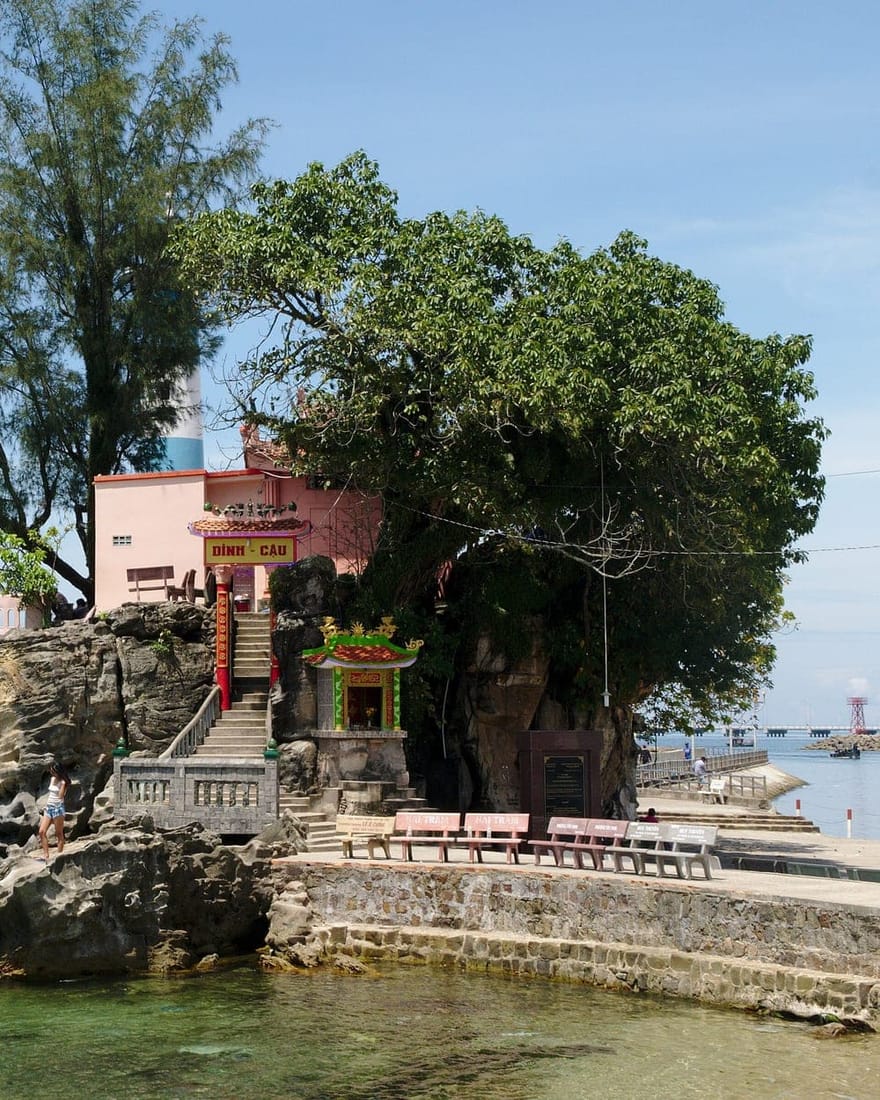
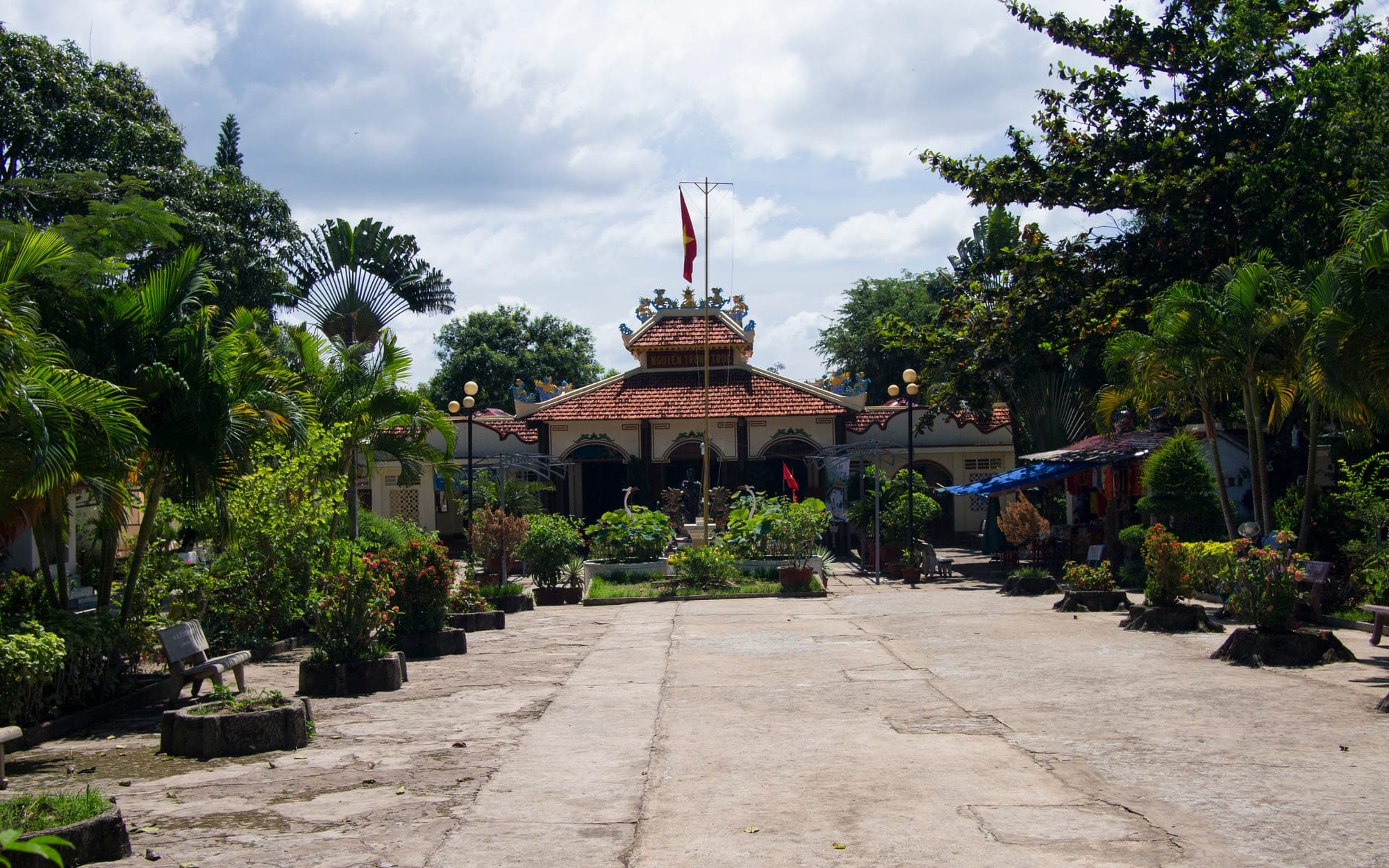
That capture is why Gành Dầu — otherwise a quiet fishing village known more for cheap seafood and its view across to Cambodia — holds its own shrine to him, built by local residents not long after his death and rebuilt in its current form in 1993. It’s the oldest shrine to Nguyễn Trung Trực on the island.
He’s remembered across the wider Kiên Giang region for the same reason: a local commander who beat a better-armed colonial force at least once, and who is said to have told his captors, facing execution, that the Vietnamese would keep resisting “as long as there is grass in this land.” That line is still quoted locally today. Shrines to him exist in several towns across the province — Gành Dầu’s is Phú Quốc’s own small piece of a much larger network of memory.
The festival: smaller than Rạch Giá, and worth knowing that upfront
Vietnam’s largest, most widely known Nguyễn Trung Trực commemoration happens in Rạch Giá, on the mainland, where he was executed — a major event drawing large crowds each year around the same late-August lunar window. It would be easy to assume the Gành Dầu shrine on Phú Quốc holds an island version of that same scale. It doesn’t, and that’s not a shortcoming — it’s a different, more local kind of event.
The Nguyễn Trung Trực Festival at Gành Dầu has run since 1996, held annually on the 27th to 29th of the 8th lunar month — landing in early October most years, depending on how the lunar calendar falls against the Gregorian one. It splits into two parts: a formal ceremony — flag-raising, altar offerings, incense — followed by a smaller community festival portion. It’s organised by local authorities and the shrine’s own caretakers, and it draws people from the surrounding villages rather than tour buses.
What to expect if you go
This isn’t a show built for visitors, and it shouldn’t be treated like one. Most of what happens is ceremonial and quiet: incense offerings at the altar, a raised flag, families paying respects the way they would at any ancestral shrine. If you attend during the festival days, dress modestly, keep your distance from the altar unless invited closer, and understand you’re a guest at someone else’s act of remembrance, not an audience.
Outside the festival dates, the shrine is open daily and considerably quieter — a reasonable stop if you’re already making the drive up to Gành Dầu for the seafood or the cape views, especially for anyone curious about the island’s history beyond beaches and boat tours. Fishermen and their families in particular still come to pray here for safety and good fortune at sea, a tradition that’s continued since the shrine was first built.
Getting there from Luna
Gành Dầu sits at the far northwest tip of Phú Quốc, roughly an hour’s drive from Bãi Trường — the same route covered in our Gành Dầu guide, past the edge of Phú Quốc National Park. A scooter manages the drive fine outside the festival days themselves, but during the festival, parking near the shrine gets tight fast — a car with a driver, or asking Luna to arrange one, avoids the hassle of finding somewhere to leave a bike among a much bigger-than-usual crowd of local visitors.
If you’re planning around the festival dates specifically, ask the front desk to confirm the current year’s exact days before you set out, since the lunar-to-Gregorian date shifts annually and local sources are more current than anything printed months ahead. Outside the festival window, the shrine and the drive up are worth doing on their own terms — a quiet historical stop on a day that’s otherwise about seafood and the view across to Cambodia.
Luna Oriental is at SS27 Sonasea, Bãi Trường — find us here if you’re arriving from the south of the island. A festival morning at Gành Dầu pairs naturally with lunch at the village’s seafood stalls before heading back south.
Photo: Tokeisan, CC BY-SA 3.0, via Wikimedia Commons.

Frequently asked questions
When is the Nguyễn Trung Trực Festival at Gành Dầu?
It falls on the 27th to 29th of the 8th lunar month each year — in 2026, that lands around early October, close to (but not the same event as) the larger commemoration in Rạch Giá on the mainland. Lunar dates shift on the Gregorian calendar year to year, so confirm the exact days locally as the date approaches.
Is the Gành Dầu festival the same as the famous one in Rạch Giá?
No, and this is worth knowing before you go. Rạch Giá, on the mainland, holds the largest, most widely known Nguyễn Trung Trực commemoration in the country. Gành Dầu's shrine on Phú Quốc holds its own, much smaller and quieter local version, tied to the same historical figure but a distinctly island-scale event.
Can visitors attend the festival, and what should I wear?
Yes — the shrine welcomes visitors daily, and the festival days specifically draw local families paying respects. Dress modestly (shoulders and knees covered), keep voices low near the altar, and treat it as a community observance rather than a spectator event.