
6 beaches compared · pick by crowd, distance, season
Phú Quốc Beaches: which one is right for your trip
Ask five different people for the best beach in Phú Quốc and you’ll get five different answers, because they’re not actually comparable — each one does something different well. Phú Quốc’s beaches split clearly by what you’re optimising for: distance, crowd, season, or a specific thing like starfish or sunset. Here’s how they stack up against each other, honestly.
Bãi Trường: the one you don’t need a plan for
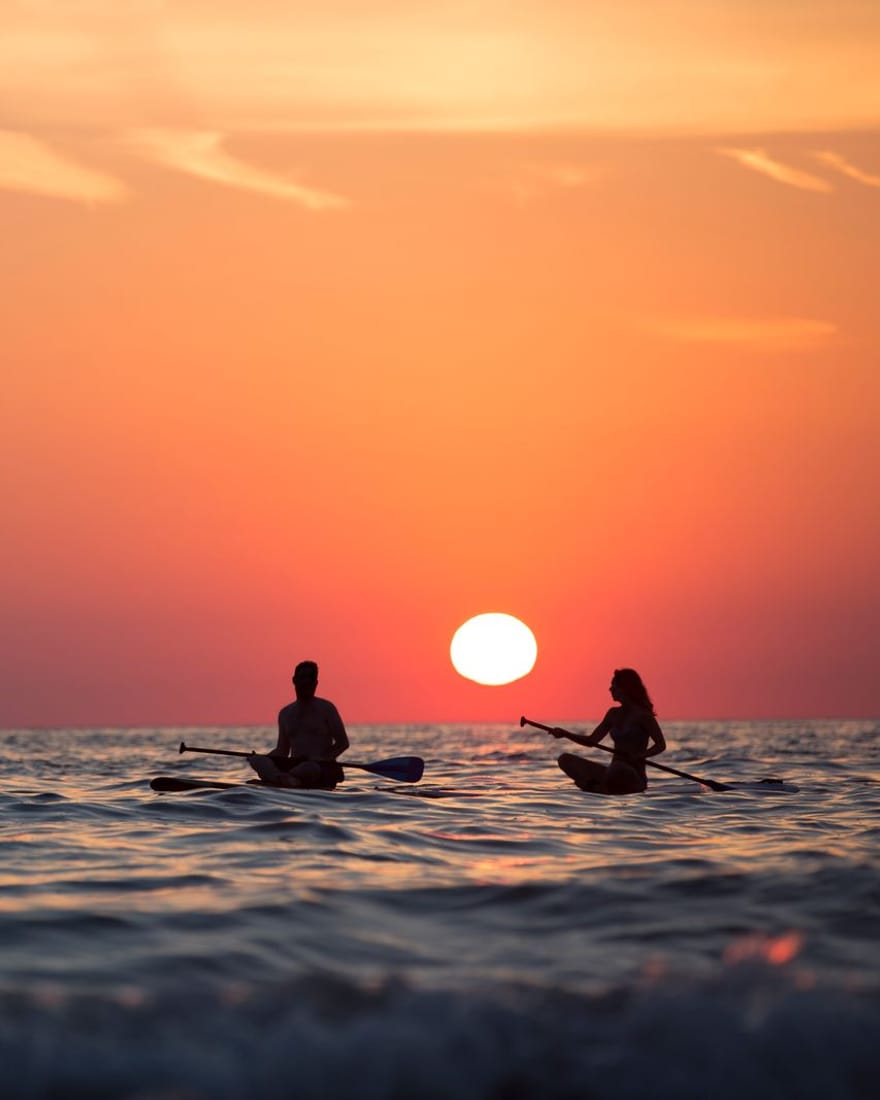
Bãi Trường is Luna’s own beach — five minutes from the lobby, twenty kilometres of west-facing coast, sunset into the water every clear evening. It’s the default, not because it’s the most dramatic beach on the island, but because it requires zero planning: no drive, no tour, just walk out the door. The trade-off is that it’s also the island’s main hotel strip, so it’s never going to feel undiscovered.
Best for: anyone staying at Luna who wants a beach without a commute. Watch for: afternoon chop during the wet season (May–October), when the southwest monsoon hits this coast directly.
Bãi Sao and Bãi Khem: calm water when Bãi Trường isn’t
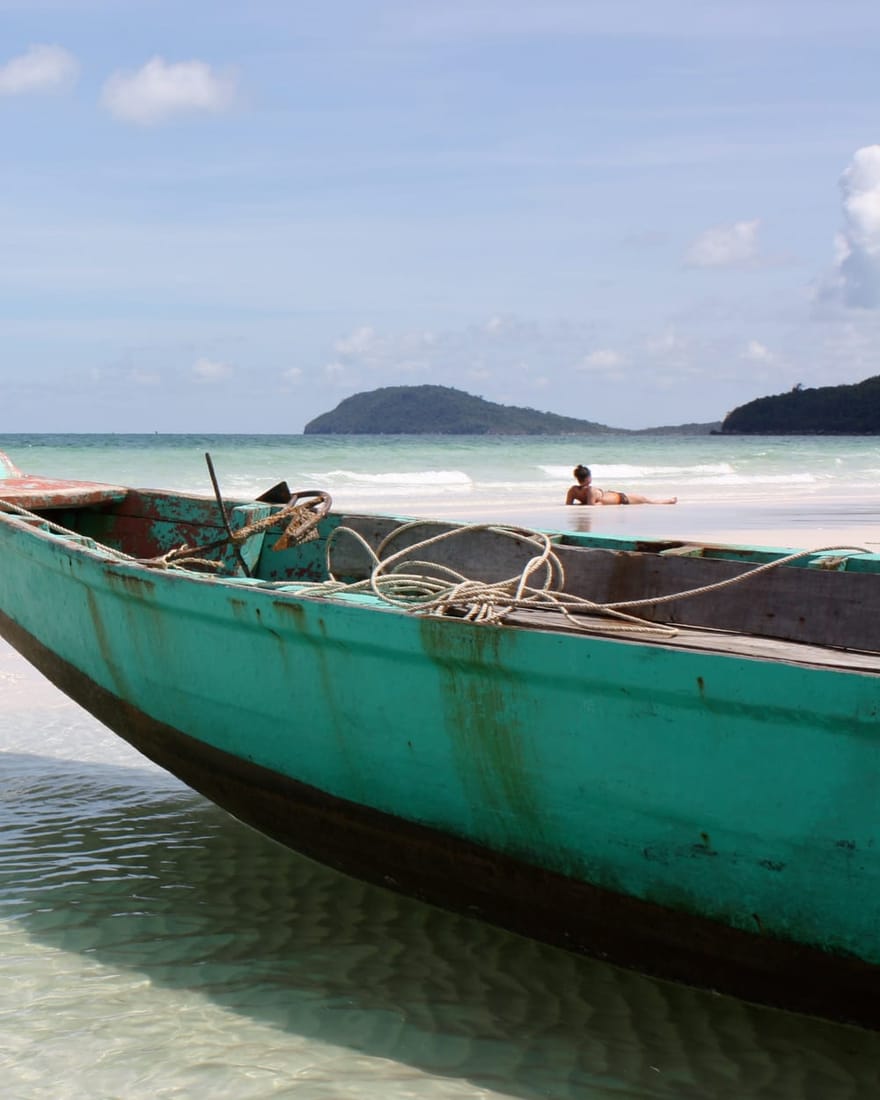
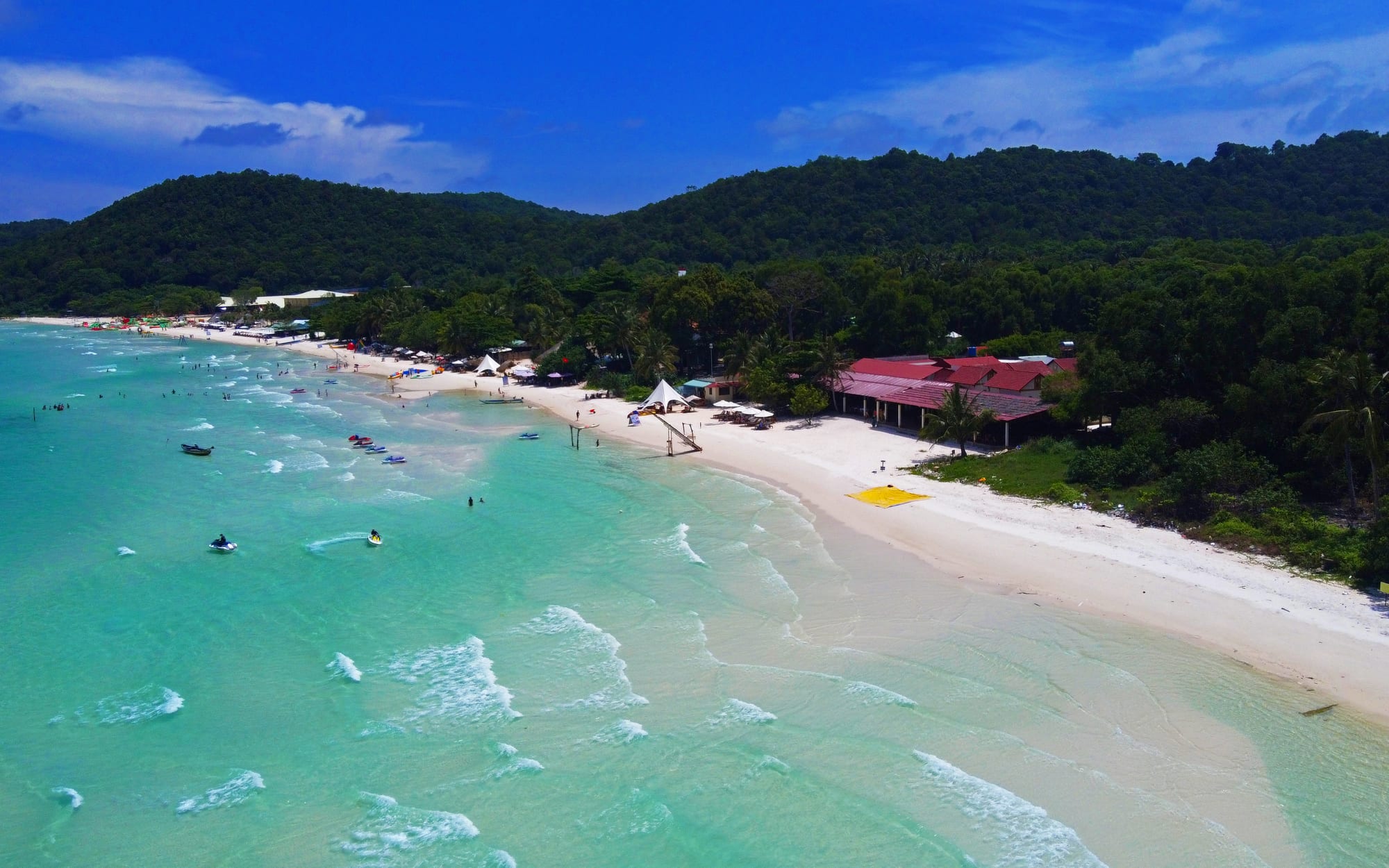
On the south coast, sheltered from the wind that roughens Bãi Trường, Bãi Sao and Bãi Khem are the island’s reliable-water beaches — pale sand, clear shallows, calm even on days when the west coast is choppy. Bãi Sao is the better-known of the two and draws more day-trip traffic; Bãi Khem sits a little further around the southern tip and sees noticeably fewer people for a similar stretch of sand. Both are roughly a 25km, 30–40 minute drive from Bãi Trường.
Best for: a guaranteed calm swim, especially May through October when the west coast gets rough. Watch for: both get busy with tour groups through the middle of the day — early morning or late afternoon avoids the worst of it.
Bãi Ông Lang: the sunset beach with no crowd
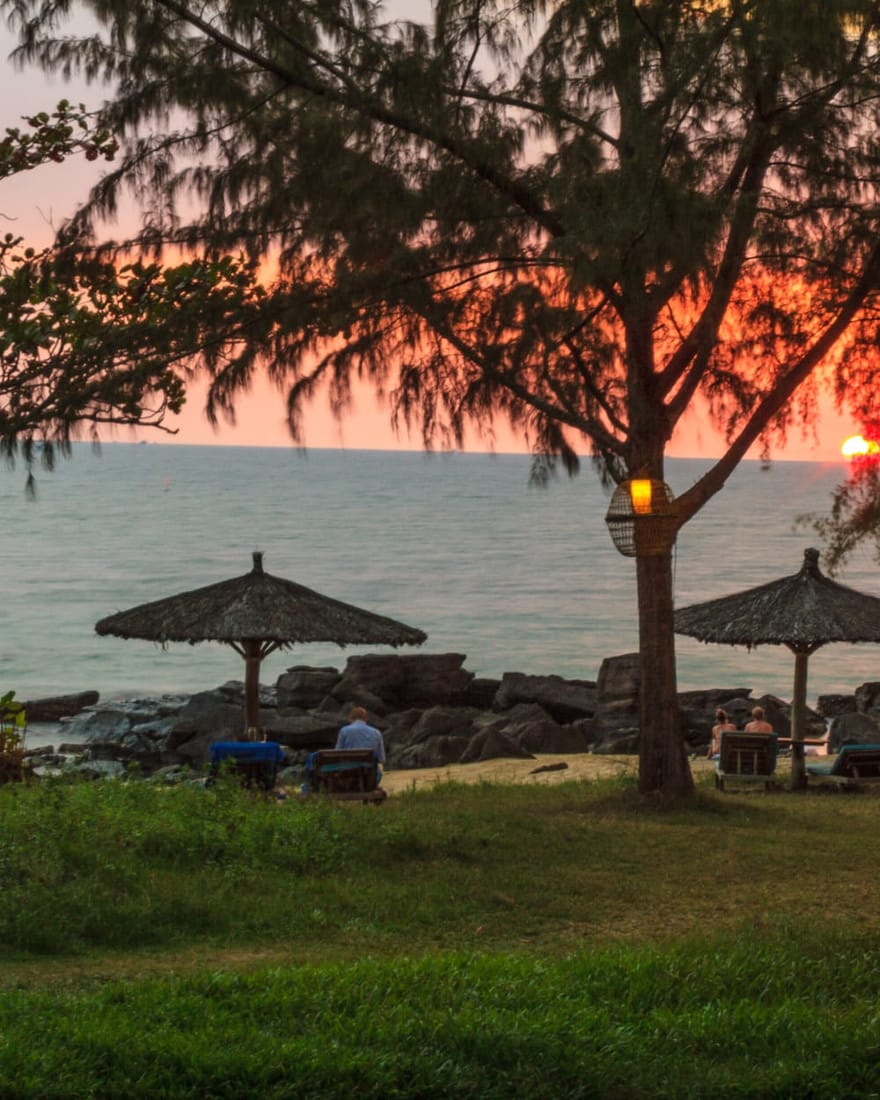
Bãi Ông Lang sits about 7km northwest of Dương Đông, a 25–35 minute drive from Luna — close enough for an evening trip without committing a whole day to it. It’s smaller and rockier in places than Bãi Trường, which keeps the crowd down, and locally it’s often rated the island’s best sunset precisely because so few people make the short drive to watch it there instead of from their own hotel strip.
Best for: a quieter sunset than Bãi Trường’s, without a long drive. Watch for: less sand, more rock in stretches — check a specific access point if soft sand matters to you.
Bãi Dài: the long, wild one up north
Bãi Dài runs for roughly 15km along the northwest coast, backed by national park forest rather than hotels — closer to what Bãi Trường looked like before it was built up. It’s a real commitment to get to, about an hour’s drive from Luna, and facilities are minimal: bring your own water and shade. In exchange, you get space that’s genuinely hard to find on the rest of the island.
Best for: a full north-island day out, paired with other stops rather than a quick beach visit on its own. Watch for: stronger surf than the south beaches, and almost no services once you’re there.
Bãi Rạch Vẹm: starfish, and the fewest people of anywhere on this list
At the island’s north tip, Bãi Rạch Vẹm is the furthest beach covered here — about 40km from Luna — and the only one built around a specific thing to see rather than swimming itself: red starfish resting in shallow water at low tide. It sees the fewest visitors of any beach on this list, which is as much about the drive as anything else.
Best for: a specific, memorable sight rather than a swim-and-sunbathe day. Watch for: tide timing matters here more than at any other beach — go at the wrong hour and there’s simply less to see.
Phú Quốc beaches by season
The same beach is two different places depending on the month.
November to April, the dry season. The wind comes from the northeast and the west coast lies in its shelter. Bãi Trường and Bãi Ông Lang are calm and clear most of the day. Bãi Dài gets the steady breeze that makes it the island’s kitesurfing beach. Rạch Vẹm is at its clearest from December to April, and the starfish are easiest to see on a low-tide morning before ten. More in our dry-season guide.
May to October, the wet season. The southwest monsoon blows straight onto the west and northwest coasts. Bãi Trường stays swimmable in the calm early mornings and turns choppy after lunch. Bãi Dài takes the most surf. The south-facing coves, Bãi Sao and Bãi Khem, sit out of the wind and stay flat on the same afternoons. More in our rainy-season guide.
Which beach for which kind of day
- With small children. Bãi Trường in the morning: the water stays shallow a long way out. On Bãi Sao, keep to the sandy middle, because the rocky ends have sea urchins.
- For sunset. Any west-facing beach works. Bãi Trường is the easy one, Bãi Ông Lang the quiet one. Our sunset guide has the times by season.
- For sunrise. None of these. The sun comes up behind the island, so you need the east coast. See the sunrise spots.
- For snorkelling. Not from the sand. The coral is around the small islands off An Thới, reached by boat.
- For paddling. SUP on Bãi Trường before nine in the morning.
- For seafood by the water. Gành Dầu, the fishing village at the northwest tip, or the jetty at Hàm Ninh on the east coast. Neither is a swimming beach first; both are a very good lunch.
One more name you will see on maps: Bãi Vòng, on the east coast, is the ferry port. It is fine for a short walk before a boat, not for a beach day.
Two beaches in one day
Most beaches here are a drive apart, so it pays to pair them by direction.
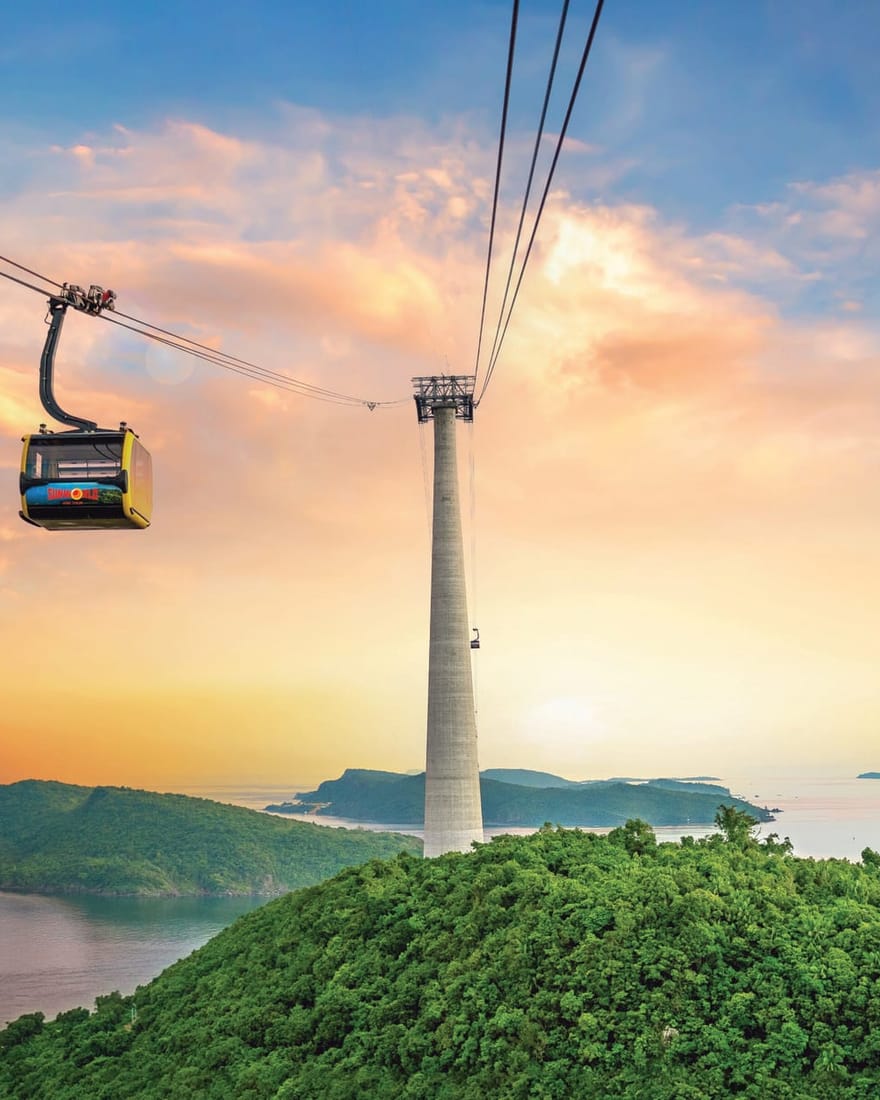
- The south loop. A morning snorkelling trip from An Thới, then the coast road to Bãi Khem for the afternoon, when the light comes in low over the headland. Or ride the cable car in the morning and spend the afternoon on Bãi Sao.
- The north loop. Leave Bãi Trường around eight, paddle the Cửa Cạn river, reach Bãi Dài late in the morning with a packed lunch, and carry on to Gành Dầu before turning back.
- Starfish and Safari. Rạch Vẹm and Vinpearl Safari are about fifteen minutes apart. Do the beach first, while the tide is low.
Getting to each beach from Bãi Trường
- Bãi Trường. On foot, five minutes from Luna.
- Bãi Ông Lang. 25 to 35 minutes by scooter or car, north through Dương Đông.
- Bãi Sao. About 25 km and 40 minutes. A private car one way runs around 350,000 to 400,000 VND. The beach is free; you pay for sunbeds, food and water sports.
- Bãi Khem. About 25 km, 30 to 40 minutes by scooter. Grab is unreliable this far south, so go by rented scooter or arrange a car for the return.
- Bãi Dài. Roughly 45 km and about an hour. The public stretches south of the Vinpearl complex are free to enter.
- Bãi Rạch Vẹm. About 40 km and an hour by car. A private car one way is around 500,000 to 600,000 VND.
Prices move with the season. Ask at the front desk for the current figure before you set out.
What to bring, and a few beach manners
- Water and food for Bãi Dài and Bãi Khem. There is very little to buy once you are there.
- Sun cover. A hat, a long-sleeved shirt, reef-safe sunscreen.
- Cash in small notes for parking, a sunbed or a coconut.
- Leave the starfish in the water. Lifted out, they die within minutes. Photograph them where they rest.
- Watch the children yourself. There are no lifeguards on Bãi Trường.
- Carry your rubbish back out, especially from the wild beaches in the north.
Picking by what matters most
If distance is the deciding factor, Bãi Trường wins without discussion. If it’s calm water in the wet season, head south to Bãi Sao or Bãi Khem. If it’s a quiet sunset without a long drive, Bãi Ông Lang. If it’s space and a real day out, Bãi Dài. And if you want the single most distinctive sight rather than just another stretch of sand, Bãi Rạch Vẹm’s starfish are worth the long drive once.
None of these are mutually exclusive on a longer stay — most guests who stay a week or more end up doing at least three of the six.
Luna Oriental is at SS27 Sonasea, right on Bãi Trường — find us here. Ask the front desk which beach suits the day you’re planning; conditions shift enough by season that a quick, current answer beats guessing from a list.
Photo: Trantuonglam, CC BY-SA 4.0, via Wikimedia Commons.

Frequently asked questions
Which Phú Quốc beach is closest to Luna Oriental?
Bãi Trường, by a wide margin — Luna sits directly on it, five minutes from the lobby. Every other beach on the island is a drive of at least 25 minutes.
Which beach is best in the rainy season?
Bãi Sao or Bãi Khem, both on the south coast and sheltered from the southwest monsoon that makes Bãi Trường choppy from May to October. Mornings stay calm at all of them, rain or not.
Which Phú Quốc beach is the quietest?
Bãi Rạch Vẹm, at the island's north tip, sees the fewest visitors of any beach covered here — it's also the furthest drive and the most logistically involved, which is exactly why it stays quiet.