





Dry season · Nov–Apr · when to book, what to expect
Phú Quốc in the dry season: what changes, month by month
Every year, sometime around late October, the wind at Luna changes direction and the afternoon showers that have been rolling through since May just stop turning up. That’s the dry season announcing itself — the northeast monsoon taking over from the southwest one, and with it, six months of the weather that put Phú Quốc on the map in the first place.
If the rainy season is the island’s quiet, green, discounted half of the year, the dry season in Phú Quốc is the opposite: busier, pricier, and — for most of what people come here to do — genuinely the better half. Here’s what actually changes.
The weather, honestly
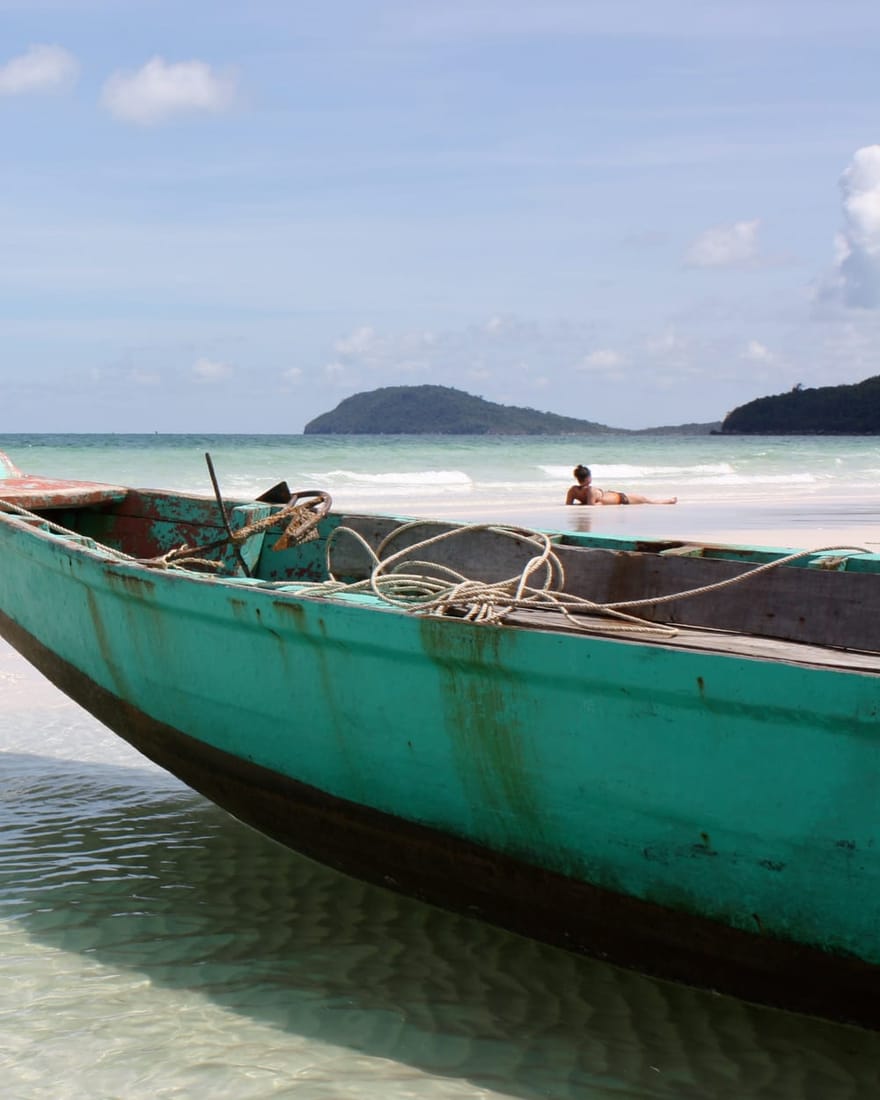
From roughly November through April, rainfall drops off sharply and the island settles into long stretches of clear sky. Daytime temperatures sit comfortably around 25–27°C, humidity eases off from the wet-season soup, and the wind that was pushing rain onto the west coast now just keeps the air moving. December to March is the sweet spot inside the dry season — the calmest seas, the least chance of a washed-out day, and the reason most of Phú Quốc’s marketing photos were taken in exactly this window.
The sea itself changes character. Waves flatten out, the water clears, and underwater visibility on the reefs commonly reaches 10 to 15 metres — a real difference if diving or snorkeling is part of your trip. It’s also the season that makes the northwest coast rideable for kitesurfing at Bãi Dài, which only really works when this same northeast wind is blowing steadily.
The dry season, month by month
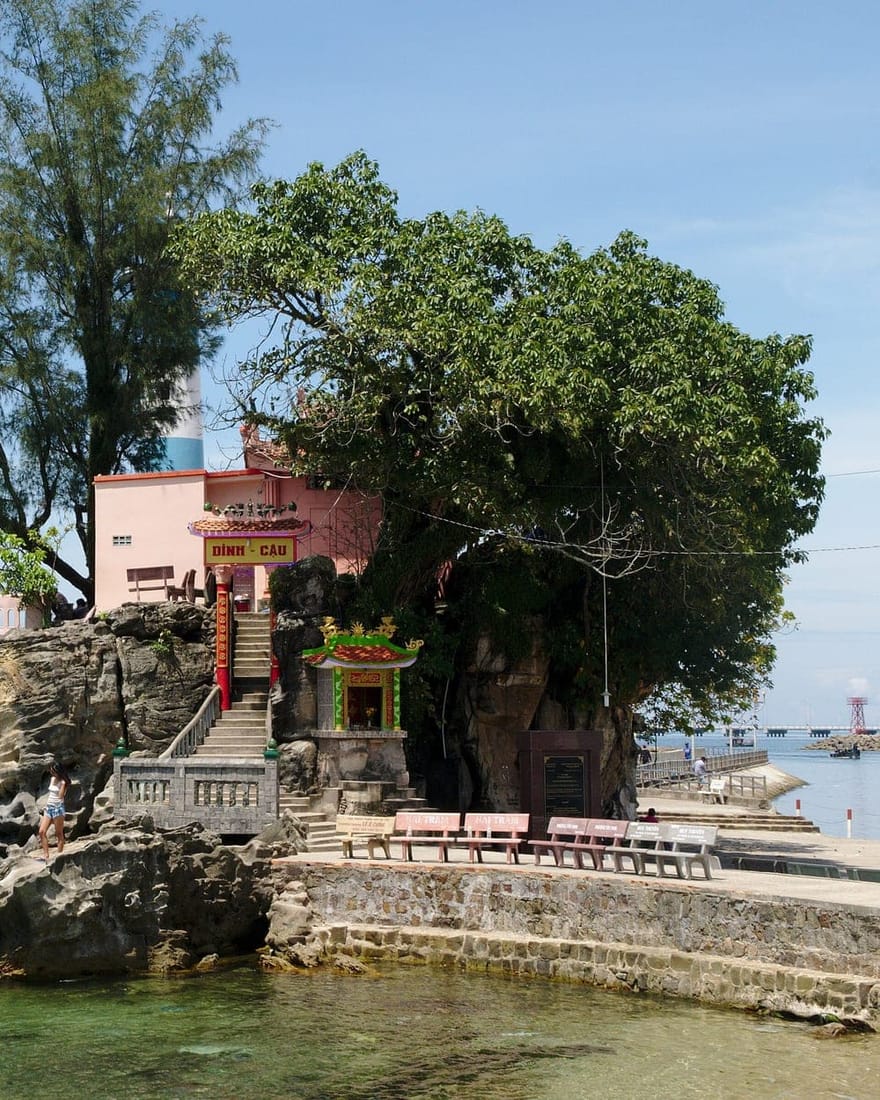
- Late October and November. The wind turns and the afternoon showers thin out. A stray shower is still possible. Rooms are easier to find than in December. Pepper harvest begins on the farms and runs to February. Mid-November brings IRONMAN 70.3 to Bãi Trường, and rooms along the beach fill months ahead for that weekend. The fishermen’s festival at Dinh Cậu falls on the 15th of the 10th lunar month, usually in late October or early November.
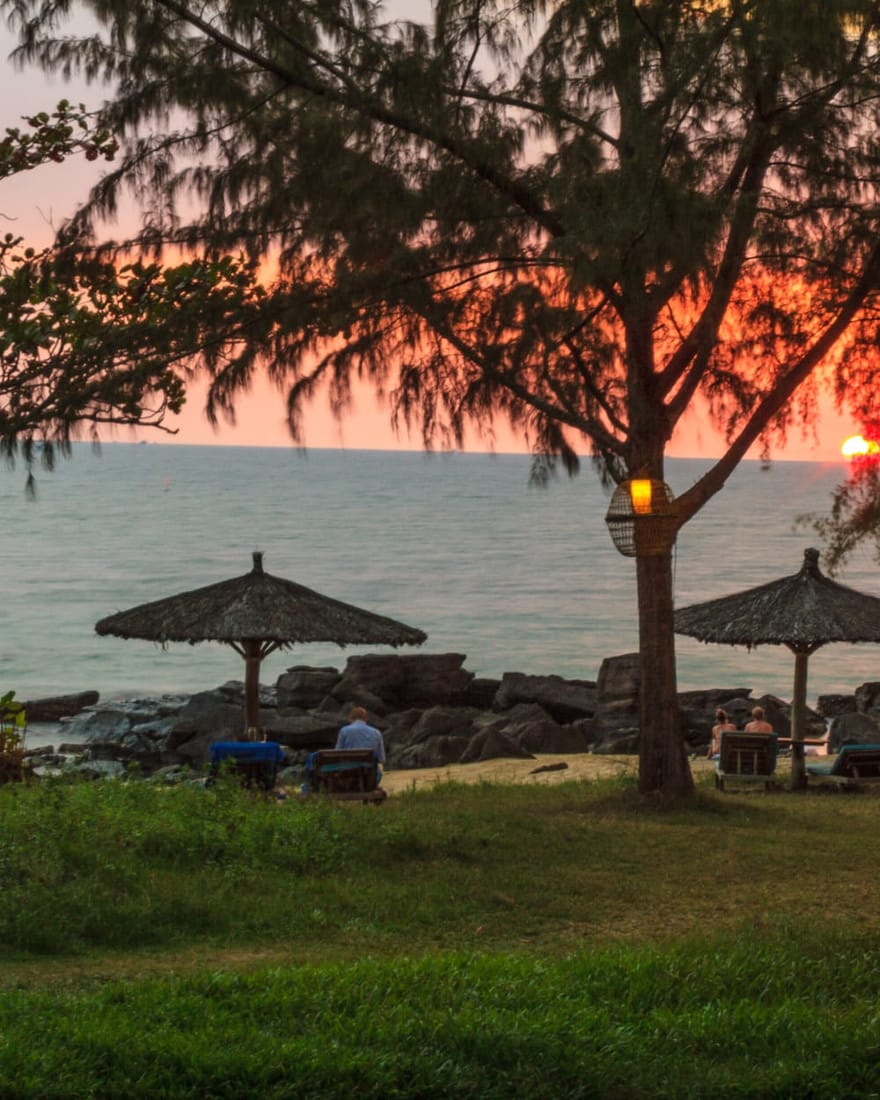
- December. Clear skies and a flat sea. The sun sets early, around ten to six, so plan the beach for the late afternoon. From 24 December to 1 January the sun lines up with the gap in the Kiss Bridge at Sunset Town, and photographers come for that week. Christmas and New Year are the busiest days of the year.
- January and February. The calmest water and the steadiest wind for kites at Bãi Dài. Tết falls in this stretch on a different date each year, and the island is full for it. On low-tide mornings the starfish at Rạch Vẹm are easy to see.
- March. Still dry and a little warmer. The crowds ease after Tết.
- April. The shoulder. Mostly dry, with the first showers returning late in the month. The first short season of tràm mushrooms arrives around April and May.
Whichever month you come, the west coast is the calm side in this season, and Bãi Trường is swimmable most of the day. Our beach comparison explains which beach suits which kind of day.
What gets better in the dry season
Almost everything that depends on calm water or clear sky improves:
- Diving and snorkeling around An Thới and the southern islands — better visibility, calmer boat crossings, less risk of a trip getting cancelled for weather.
- Beach hopping — Bãi Sao, Bãi Khem, and the quieter northern beaches are all at their best, with flat, clear water rather than the wind-driven chop the west coast can get in the wet months.
- The national park and waterfall trails — trails dry out, the ground firms up, and the walk to Suối Tranh or through the forest becomes a straightforward outing instead of a muddy one.
- Anything on open water — the cable car crossing, island-hopping boats, and sunset cruises all run smoother when the sea isn’t pushing back.
What is not at its best in the dry season
A few things are better in the other half of the year, and it helps to know before you plan around them.
- Waterfalls and streams. Suối Tranh and Suối Mơ depend on rain. From January to April the flow drops to a trickle. Go for the forest walk if you like, but not for the water.
- The green. The forest is at its fullest after months of rain, not at the end of the dry ones.
- Quiet. Bãi Sao fills with day-trip groups through the middle of the day. Go early or late.
What gets busier — and pricier
This is the trade-off. December through March is Phú Quốc’s high season, and it shows in three places: flights fill up earlier, popular restaurants and boat trips need booking a day or two ahead instead of walking in, and room rates across the island commonly run 1.5 to 2 times higher than the rainy-season low. The New Year week and the Tết holiday (Lunar New Year, on a different date each year) are the two tightest stretches — if your trip lands on either, book three to four weeks out at minimum.
Phú Quốc has also been opening up further to international arrivals heading into this dry season. In late September 2026, the island marked the start of its Winter 2026–2027 season with new direct charter flights — including routes from Russia and Uzbekistan — landing alongside its existing connections from East Asia and the region. More flight capacity generally means more visitors during the peak months, which is one more reason to lock in a room early rather than assume something will be available on arrival.
The shoulder weeks worth knowing about
Late October to mid-November, and again in April, sit at the edges of the dry season — mostly clear and calm, but with occasional leftover showers as the monsoon changes hand. For guests who want dry-season conditions without the December–March crowds or prices, these shoulder weeks are worth considering. The sea is generally still calm enough for diving and beach days, and rooms are easier to book on shorter notice.
Two days that use the weather well
A south day. Leave Bãi Trường early for the boat at An Thới, about forty-five minutes away, and spend the morning snorkelling while the sea is flat and the light is on the coral. After lunch, take the coast road to Bãi Khem or Bãi Sao. Finish at the Kiss Bridge an hour before sunset, or come back and watch it from our own beach.
A north day. Check a tide table the night before. Be at Rạch Vẹm before ten on a low tide for the starfish, then drive fifteen minutes to Vinpearl Safari, which stops letting people in at three. On the way home, stop at Bãi Dài to watch the kites.
Booking notes for the dry season
- Rooms. For December to March, book three to four weeks ahead. For the New Year week and Tết, earlier still.
- Boats and tables. Boat trips and the popular seafood places want a day or two of notice in these months. Tell us the day before and we will make the call.
- Airport pickup. Send your flight number the day before and a driver will be waiting at arrivals.
- Rates. Our direct rate is never higher than the booking sites. Write to us if your dates are flexible; the shoulder weeks cost less than the peak.
What to pack
Nothing exotic, but a few things are worth remembering specifically for this half of the year. Reef-safe sunscreen matters more than usual — the sky stays clear for days at a stretch, and the sun is stronger than the mild breeze makes it feel. A light layer for the evening: once the wind picks up after sunset, Bãi Trường’s beachfront cafés can feel a few degrees cooler than the daytime warmth suggests. And if diving, snorkeling, or a boat trip is on the list, pack it in early rather than the last afternoon — the calm sea means these trips fill up, especially across December and January.
Luna Oriental is at SS27 Sonasea, Bãi Trường — find us here. Whichever month you land in, the front desk can tell you honestly what the sea and sky are doing that week, not just what the calendar says they should be doing.
Frequently asked questions
When exactly does the dry season start and end in Phú Quốc?
Roughly late October to the end of April, driven by the northeast monsoon. The most reliable, most pleasant stretch inside that window is December to March, when rain is rare and the sea is at its calmest. Late October and April are transitional — mostly dry, with the odd shower still passing through.
Is December to March really that much busier and more expensive?
Yes. This is Phú Quốc's high season, and room rates commonly run 1.5 to 2 times higher than the rainy-season low. December, the New Year week, and Tết (Lunar New Year, which falls on a different date each year) are the tightest — book three to four weeks ahead if you want a choice of room, longer over the New Year period.
What's new for the 2026–2027 dry season?
Phú Quốc opened its Winter 2026–2027 season in late September with new direct charter routes from Russia and Uzbekistan, adding to the island's existing international connections. It's a sign of how much international capacity keeps growing into this island — good news for flight choice, and a reason to book accommodation early if you're arriving during peak weeks.