

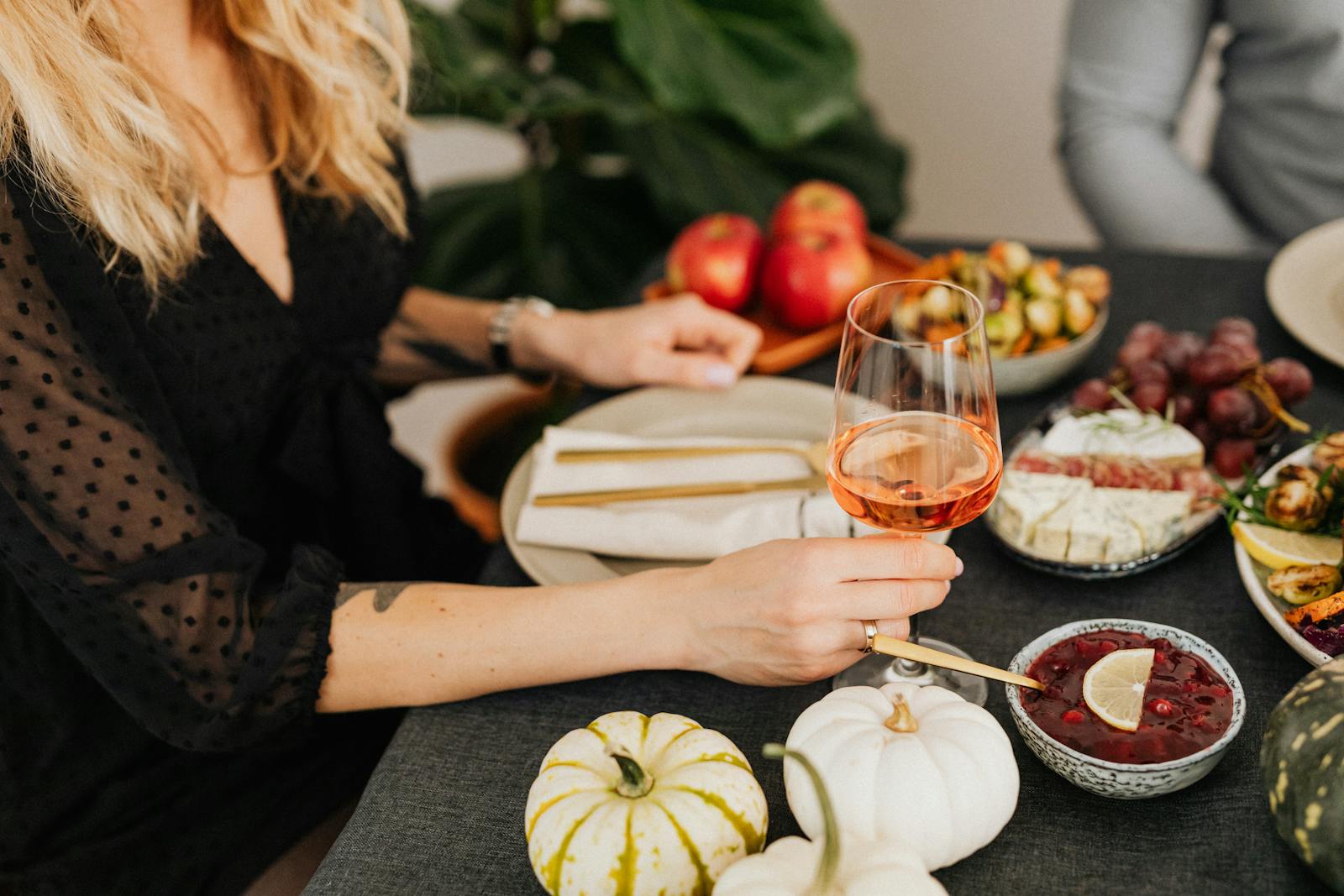
Phu Quoc sim wine is a rose-myrtle berry wine unique to the island. What it tastes like, the best brands, and where to buy a good bottle.
Phu Quoc sim wine: what it is and where to buy it
Phú Quốc has a short list of things that are genuinely its own. Phu Quoc sim wine is one of them — a deep pink fruit wine made from rose myrtle berries that ripen wild across the island’s forested hills every wet season. It’s sold everywhere from airport duty-free to roadside market stalls, and unlike most island souvenirs, it actually tastes like something worth keeping. Here’s what it is, what to expect from the bottle, and where to buy a good one without overpaying.
What Phu Quoc sim wine is made from
Sim (Rhodomyrtus tomentosa, or rose myrtle) is a low shrub that grows across the slopes of Phú Quốc’s national park and the hills behind Bãi Trường. In the wet season — roughly May through August — the plants fruit heavily, producing small round berries that ripen from pale pink to deep red-purple. The berries are edible raw: mildly sweet, slightly tart, with a faint floral note. They don’t keep long once picked, which is why the wine has always been made locally rather than exported fresh.
The wine is made by macerating ripe sim berries with sugar and leaving them to ferment, traditionally in ceramic jars. The result is a light fruit wine ranging from translucent pink to deep ruby, depending on how long the berries were macerated and how much the producer let it age. Alcohol content ranges from around 10% (barely more than a strong juice) to 29–39% for the fortified styles. The colour alone tends to stop people in the market — it looks like something expensive.
What it actually tastes like
The flavour is fruity and gently sweet, with no tannin to speak of and a clean finish. It’s closer to a lychee wine or a light elderberry cordial than to anything made from grapes. Lower-alcohol versions are soft enough to drink cold on their own as an afternoon drink; the fortified styles suit a small pour after a meal or on ice.
Don’t expect complexity in the way of a barrel-aged wine. What’s good about sim wine is its directness — you’re tasting the berry, not a production process. The better bottles have a floral, slightly earthy undertone from the wild-foraged fruit. The mass-produced ones are sweeter and flatter. Telling the difference is easier once you’ve tasted side by side, which is the argument for buying at the factory rather than the airport.
Where to buy Phu Quoc sim wine
Bay Gao factory, in Dương Đông near the central market, is the most-cited producer on the island and the best place to start. You can walk through the production area, try several styles side by side, and buy at factory prices. It’s a short Grab from Bãi Trường — about 20 minutes along the coast road — and easily combined with a morning at Dương Đông market or the Phú Quốc night market nearby.
Dương Đông market (the daytime fresh market) has a dry goods section with most of the major brands. The vendors here are used to letting people taste before buying, and negotiating a price for half a dozen bottles is normal. Bring small bills.
KingKong Mart and C Mart (supermarkets in Dương Đông) are the most convenient for straightforward shopping — fixed prices, wide selection, air-conditioning. Good if you’re picking up several bottles and don’t want to haggle.
Airport duty-free stocks the two or three best-known brands but at higher prices and without tasting. Fine for a last-minute bottle; not the place to explore the range.
Which brand to choose
Bay Gao is the name most locals and returning visitors mention first. Family-run since the 1960s, small batches, traditional methods. Their standard bottle is the safe default; the reserve version is aged longer and has a noticeably more complex flavour.
Sơn has been producing since 2000 using a combination of traditional and modern techniques. More consistent across batches than the smaller producers, which matters if you’re buying six bottles to bring home and want them all to taste the same.
Thanh Long (sold as Đảo Sim) ages their wine longer than most, which results in a less overtly sweet, more wine-like result. Worth trying if the standard sweet style feels like too much.
A practical note on alcohol: the 10–15% bottles are fruit wines, light and easy. Anything above 25% is a fortified wine — smaller pours, slower sipping. Both make excellent gifts, but they’re different things. Decide which you want before you pick up a bottle.
Getting there from Bãi Trường
Luna Oriental sits at SS27 Sonasea, Bãi Trường — about 15 km south of Dương Đông. A Grab takes around 20 minutes; a scooter along the coast road is the more enjoyable option if the weather is clear in the morning. Most guests combine the sim wine run with bún quậy breakfast in town, then ride back to the beach by late morning.
Phu Quoc sim wine travels well in checked luggage, keeps for months unopened, and is genuinely hard to find at the same quality outside the island. A couple of bottles from Bay Gao and one from Sơn for comparison gives you a proper sense of what the island makes — and something worth opening when you get home.
Frequently asked questions
What does Phu Quoc sim wine taste like?
Light, fruity, and gently sweet — closer to a berry liqueur or lychee wine than to grape wine. Lower-alcohol versions (10–15%) are soft and easy to drink; the fortified styles (25–30%) are richer and suit a small glass after a meal. There's no oak, no tannin, just the natural flavour of the berries.
Where is the best place to buy Phu Quoc sim wine?
The Bay Gao factory in Dương Đông lets you taste before buying, which is the best way to decide. Dương Đông market and the supermarkets (KingKong Mart, C Mart) in town also carry a wide selection at fair prices. Avoid airport shops if you want variety — they carry fewer brands at higher prices.
Can you bring Phu Quoc sim wine on a plane?
Yes, in checked luggage. Pack bottles in bubble wrap or a wine sleeve and centre them between clothes. Domestic flights allow any quantity; international flights follow standard liquid rules for carry-on (under 100ml in hand luggage). Most people buy and check a few bottles without issue.