


Wifi, cafés, and pace · for a working stay
Working Remotely from Phú Quốc: an honest guide
A handful of guests each month arrive at Luna with a laptop bag as their main piece of luggage — here for two or three weeks, working mornings, exploring afternoons. It’s a small, real pattern, not a marketing angle, and it’s worth being straightforward about what that stay actually looks like, because Phú Quốc is not yet a polished remote-work destination the way some other places in Southeast Asia have become.
Remote work in Phú Quốc is possible and, for the right kind of trip, genuinely good. It’s just smaller and less built-out than you might expect if you’re coming from somewhere like Da Nang or Canggu. Here’s the honest version.
The wifi situation
Accommodation on the island — Luna included — generally runs on fibre connections that hold up fine for video calls, uploads, and normal working hours. That’s the reliable part. Cafés are more of a mixed bag: the better-known ones in Dương Đông commonly deliver somewhere in the 20 to 40 Mbps range, which is fine for most work but not something to stake an important client call on without testing first. If a specific call or deadline really matters, do it from your room rather than a café table, and check the connection the evening before rather than assuming it’ll be fine.
Where people actually work
There’s no dense coworking scene here yet, and it would be misleading to pretend otherwise. A couple of small, laptop-friendly cafés and coworking-style spaces operate in and around Dương Đông — the kind of place with a few dedicated desks, good coffee, and a mostly-remote-worker crowd, though which specific ones are open changes season to season, so it’s worth asking the front desk what’s currently running rather than relying on an old blog post. Standard coffee chains with stable wifi and AC are a dependable backup when a dedicated space isn’t available.
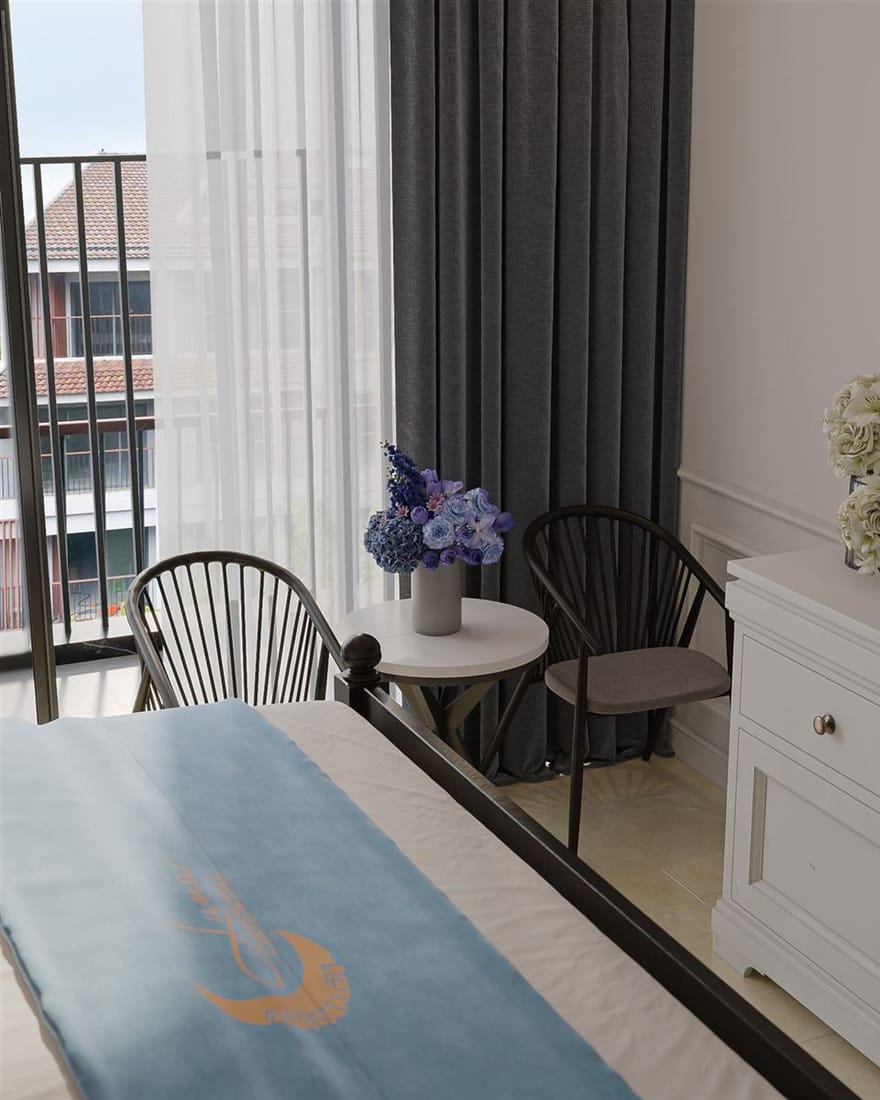
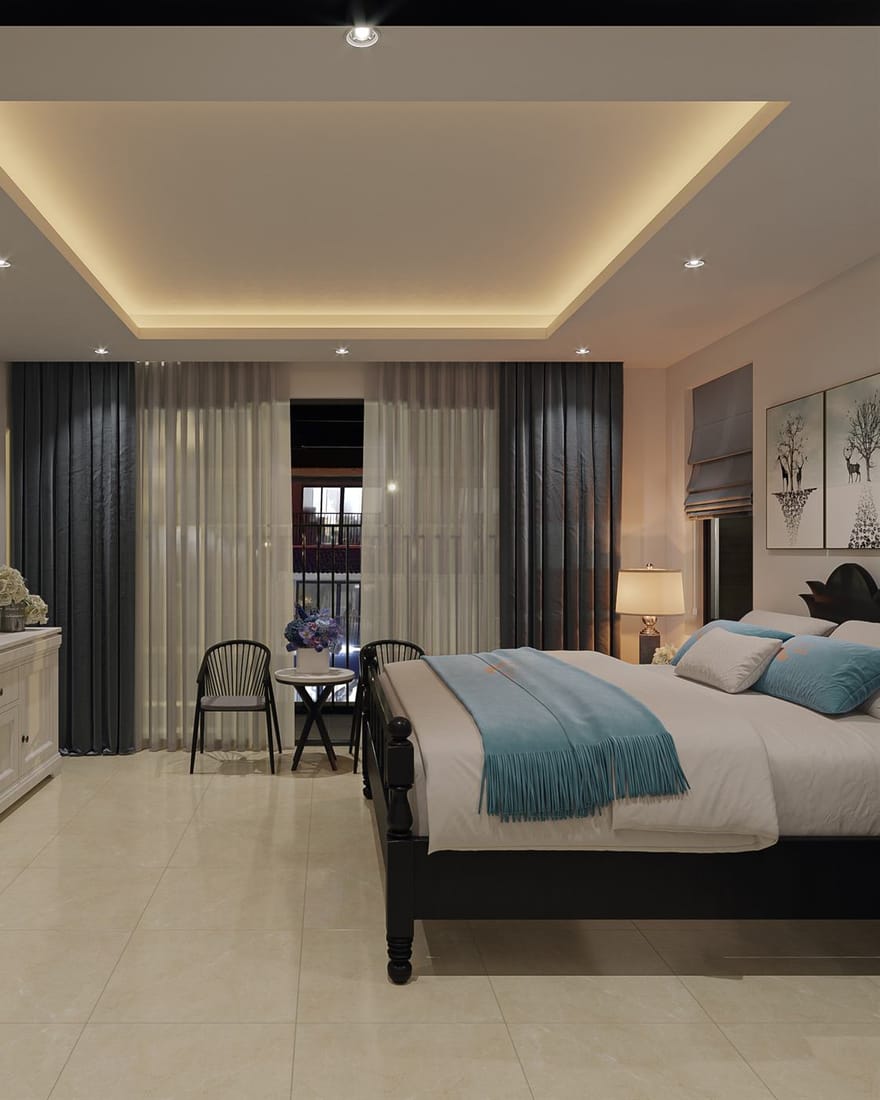
The other option, and the one most Luna guests end up using by default, is simply working from the room or a quiet common space at the hotel — no commute, a real desk, and the beach five minutes away for the break in between calls. For a short working stay, that’s often more practical than chasing down a coworking space that may or may not be open that week.
A realistic working rhythm
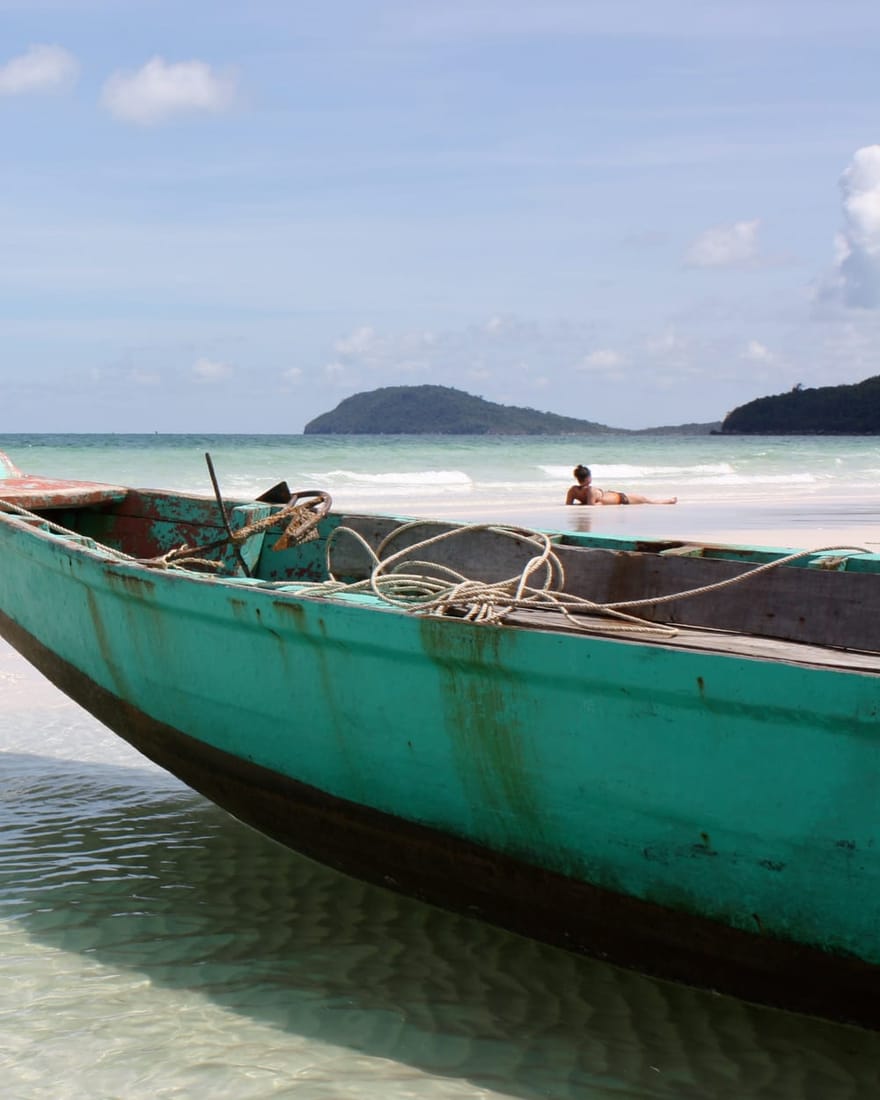
Most guests who work from Luna settle into a similar pattern: mornings for focused work, taking advantage of the quiet before the island properly wakes up; a break to walk Bãi Trường or grab lunch once the core work is done; then either more work or the rest of the day free, depending on time-zone overlap with whoever they’re working with.
What to bring
A universal power adapter, a portable charger for the inevitable day you’re out longer than planned, and noise-cancelling headphones if open-air cafés with ambient noise aren’t your thing. Sunscreen and a hat matter here too — more than one guest has planned to “work from the beach” and lasted about forty minutes before the glare and heat sent them back inside.
Time zone, in practical terms
Phú Quốc runs on Indochina Time (UTC+7) all year — no daylight saving to track, which at least simplifies the calendar math. Against a US or European team, that usually means your workday overlaps with their evening or late afternoon, not their morning. Plenty of remote workers here structure the day around that: a genuinely offline morning for the beach or errands, then a working block that starts mid-afternoon and runs into the evening once the other side of the world logs on. There’s no single right rhythm — just worth mapping out before you land, rather than discovering the overlap window at 11pm on day one.
Staying longer
Phú Quốc’s 30-day visa exemption (available to many nationalities without any application) works well for a focused few-week working stay. If you’re thinking about staying longer than that, you’ll need to arrange an appropriate visa category in advance — there’s no special digital-nomad pathway to shortcut that process, whatever a blog post elsewhere might suggest. Ask a proper visa agent, not a forum thread.
Luna Oriental is at SS27 Sonasea, Bãi Trường — find us here. Five minutes to the beach for the break between calls, a proper desk for the calls themselves.
Frequently asked questions
Is there a digital nomad visa for Phú Quốc?
No dedicated digital nomad visa exists for Vietnam or Phú Quốc specifically. What you get is the standard visa exemption — up to 30 days for many nationalities — the same one every tourist uses. If you want to stay and work longer than that, you'll need to look into a standard Vietnamese visa category through an agent or the embassy before you arrive; don't assume a workaround exists.
How good is the wifi in Phú Quốc, really?
Good enough for calls, writing, and day-to-day work, not fast enough to take for granted. Hotels and serviced apartments generally run on fibre and hold up well. Cafés are more variable — expect somewhere in the 20–40 Mbps range at the better ones, less at the quieter spots. If a call matters, test the connection the day before, not five minutes ahead.
Is Phú Quốc worth it for remote work compared to somewhere like Da Nang or Bali?
It depends what you're optimising for. Da Nang and Bali both have a bigger, more established remote-work scene — more coworking spaces, more long-stay community, more cafés built specifically around laptops. Phú Quốc has almost none of that infrastructure yet. What it has instead is quiet, a slower pace, and far fewer other remote workers competing for the same tables. Come here for the calm, not for the network.