





Practical · đồng, cards, ATMs, exchange
Money in Phú Quốc: cash, cards, ATMs and changing money
Vietnam’s đồng has a lot of zeros, which makes the first day of shopping feel like a maths test. Money in Phú Quốc is simple once you have the rhythm: cash for the small things, a card for the big ones, and a few habits that save you fees. Here is what we tell guests at Luna on Bãi Trường.
Money in Phú Quốc: the đồng and cash
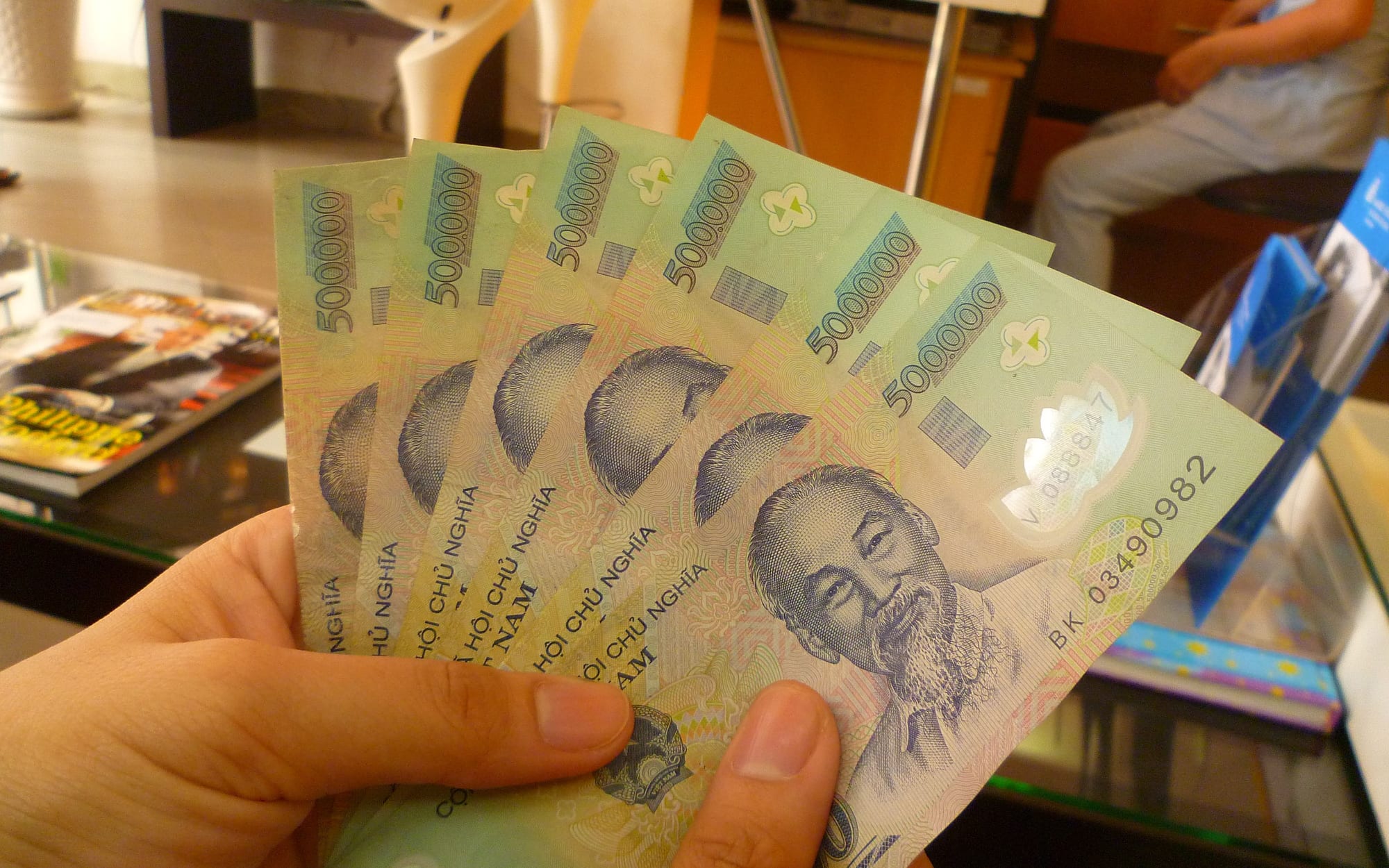
Everything is priced in Vietnamese đồng (VND). Notes run from 1,000 to 500,000 and look alike at a glance, so read the number, not the colour: the blue 20,000 and the blue 500,000 are the classic mix-up. Dropping the last three zeros in your head helps, so a bowl of noodles at 40,000 is simply “forty”.
Cash still rules the small things: noodle stalls, markets, beach cafés, scooter rentals and tips. Keep a stack of 10,000, 20,000 and 50,000 notes, because stall holders often cannot change a 500,000 note, and there is no ATM inside the night market.
Cards, ATMs and QR codes
Visa and Mastercard work at hotels, larger restaurants, supermarkets, Sun World, the Vin complexes and most tour desks. When a card machine asks whether to charge you in your home currency or in đồng, choose đồng: the conversion the machine offers is usually worse than your bank’s.
ATMs are easy to find in Dương Đông, An Thới and the big complexes. On quieter stretches of coast they are few and far between, so withdraw before you head out for the day. Most banks charge foreign cards a fee for each withdrawal and cap how much you can take out at once, so withdrawing larger amounts less often costs less.
Vietnamese guests pay for almost everything by scanning a QR code with a banking app. Visitors without a Vietnamese bank account generally cannot, which is one more reason to carry cash.
Changing money in Phú Quốc
Change money at a bank or a licensed exchange counter, including those at the airport. Exchanging at unlicensed shops is against the law in Vietnam, fines can apply to the customer too, and it is where short-changing happens. Bring clean, new US dollar or euro notes, because torn or marked notes may be refused or get a lower rate.
If you are coming from Russia
Visa and Mastercard cards issued by Russian banks do not work abroad. Mir cards can only be used at ATMs of VRB, the Vietnam–Russia joint venture bank, so check before you fly whether there is one you can reach. Most Russian guests simply bring US dollars or euros in cash and change them at a bank on the island.
Prices, tips and bargaining
Prices on menus and in shops are fixed. At souvenir stalls and markets a little bargaining is normal, done with a smile. Seafood at the night market is sold by weight, so ask the price per kilo and agree on the weight before it goes on the grill.
Tipping is not expected in Vietnam, but it is always appreciated: a small note for the spa therapist, or for a guide who made your day.
Get the rhythm right and money in Phú Quốc stops being something to think about: a card for the hotel and the big days out, small notes for everything else. If you are unsure what something should cost, ask us before you go and we will tell you the fair price.
Photo: JMParrone, CC BY-SA 2.0, via Flickr.
Frequently asked questions
Do I need cash in Phú Quốc?
Yes. Street food, markets, small shops, scooter rentals and tips are paid in cash, ideally in small notes. Hotels, larger restaurants, supermarkets and the big parks take cards.
Can I pay in US dollars in Phú Quốc?
Prices are in Vietnamese đồng, and paying in đồng is normal and usually cheaper. Change dollars at a bank or a licensed exchange counter rather than in a shop, and bring clean, undamaged notes, which get better rates.
Do Russian bank cards work in Phú Quốc?
Visa and Mastercard cards issued by Russian banks do not work abroad. Mir cards can only be used at ATMs of VRB, the Vietnam–Russia joint venture bank, so check before you fly whether there is one you can reach. Most Russian guests bring US dollars or euros in cash.