
Buddhist temple · free entry · southeast Phú Quốc
Ho Quoc Pagoda: Phu Quoc's Clifftop Zen Temple
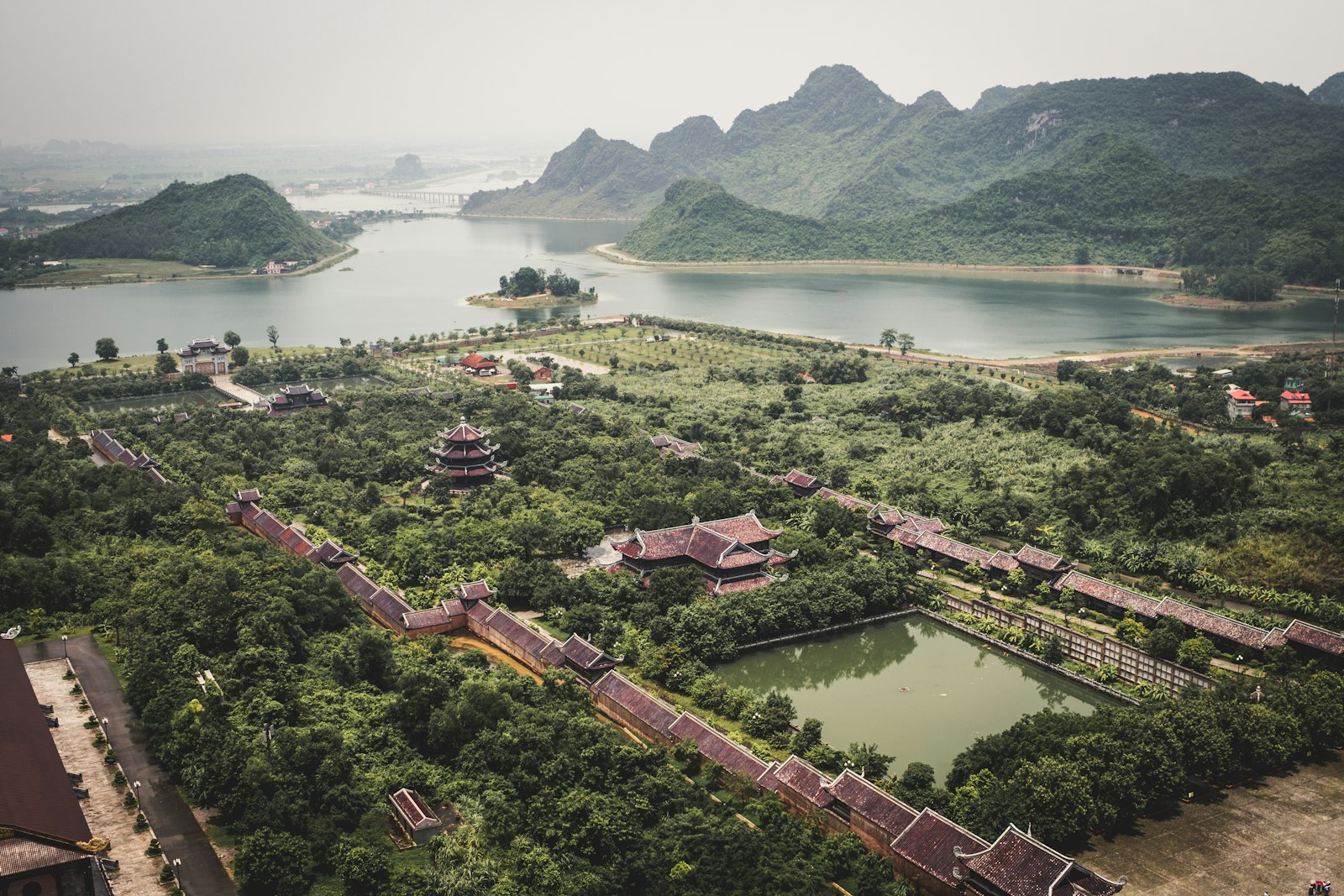
Almost every guest who stays on Bãi Trường does the same loop: beaches, island tours, sunset, seafood. It is a good loop. But Ho Quoc Pagoda is the stop that catches people off guard — the largest Buddhist monastery in Phú Quốc, built into the forested hillsides of the southeast coast with unobstructed views over the eastern sea toward the mainland. Free to enter, open every day, and almost never brought up at the beach. If you are looking for a morning that is genuinely different from everything else on the island, this is it.
What Ho Quoc Pagoda is
Hộ Quốc Pagoda — formally Thiền Viện Trúc Lâm Hộ Quốc — sits on the east coast of southern Phú Quốc, facing the mainland across open water. The complex covers 110 hectares of hillside forest, built between 2011 and 2012 and inaugurated in just fourteen months. It is the largest Buddhist complex in Phú Quốc and in the broader southwestern region of Vietnam.
The pagoda belongs to the Trúc Lâm Zen school — a distinctly Vietnamese tradition of Buddhism, not a branch of Chinese Chan or Japanese Zen but its own continuous lineage founded by Emperor Trần Nhân Tông in the thirteenth century. Trúc Lâm Zen is meditation-focused, forest-rooted, and deliberately simple: stillness over spectacle, practice over performance. A hillside monastery on a forested Vietnamese island is exactly where this tradition belongs.
Monks are in residence. This is a working monastery that accepts visitors, not an attraction that happens to have religious decoration.
What you’ll see inside
The approach begins at the Tam Quan triple gate, then climbs a long stone staircase through the trees. It is shaded and steady, but steep — take it at your own pace, especially in the heat. At the top, the Thiên Quang courtyard opens around the main hall, with a drum tower and bell tower standing on either side.
The main hall interior is cool, dim, and fragrant with incense. The upper terraces face east across the water — on a clear morning the view is wide and still, the mainland hills faint on the horizon, the sea flat below. The silence up here, punctuated occasionally by the bell, is one of the things people mention when they write in afterwards.
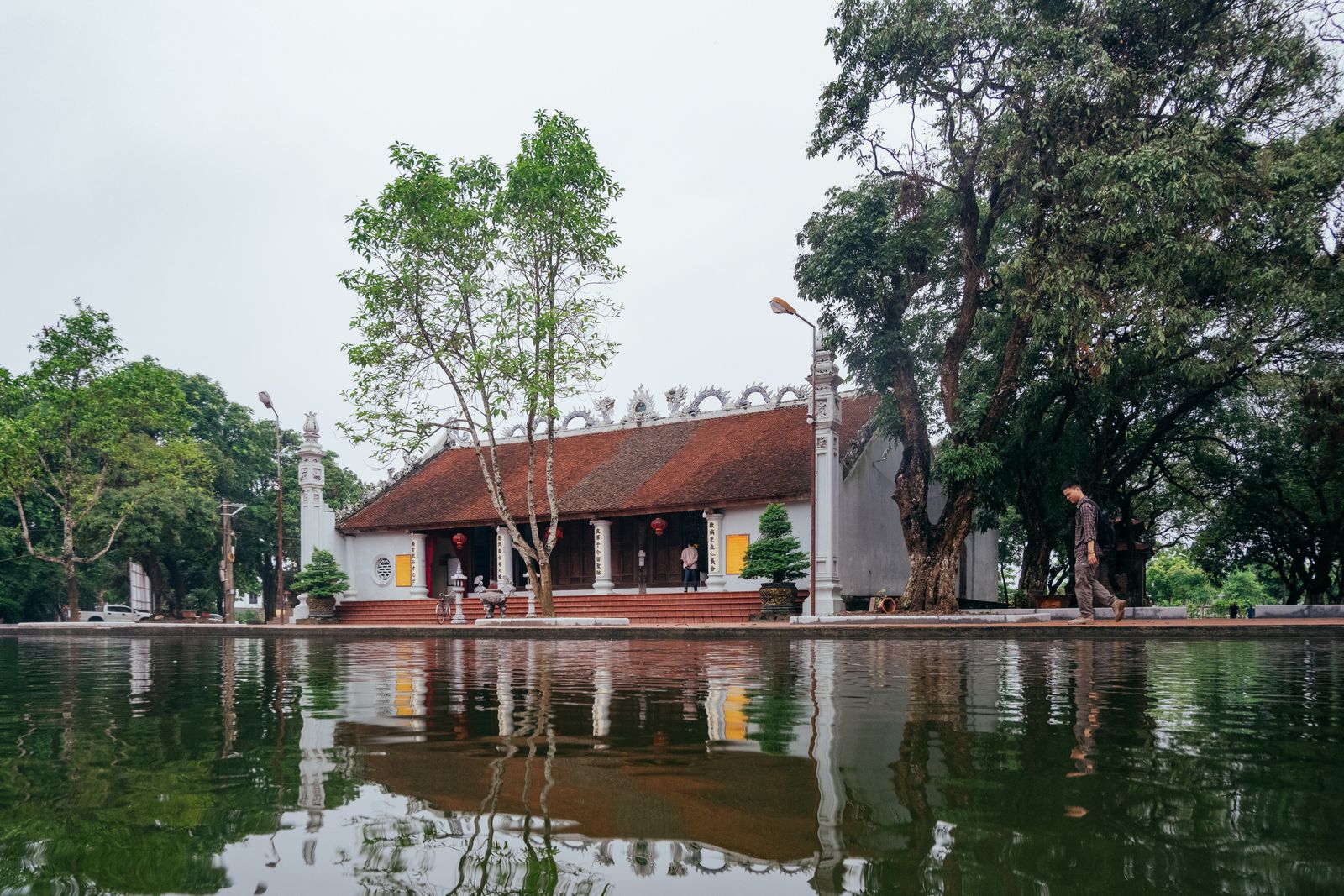
Vietnamese Buddhist temple architecture: layered roofs, a stone courtyard, and the specific hush of a space that has been used for practice, not performance.
Planning your visit to Ho Quoc Pagoda
The temple is open daily from 6 am to 6 pm, with no entry fee. Donation boxes are placed throughout the grounds. Budget 1.5 to 2 hours — less if you skip the upper terraces, more if you want to sit with the view. There are covered areas at several points along the approach and inside the complex, which makes the pagoda a reasonable option even on a light-rain morning.
Dress code: cover shoulders and knees — no singlets, tank tops, shorts, or short skirts. A light long-sleeved shirt and loose linen trousers are comfortable in the heat and acceptable at the gate. The pagoda has no clothing rental; plan this before leaving the hotel.
When to go: early morning is cooler, quieter, and gives the best light for the views. The pagoda opens at 6 am, and arriving by 7 or 8 puts you on the upper terraces before the heat builds and before tour groups arrive. In July, the mornings are typically clear — the rains come in the afternoon.
Getting to Ho Quoc Pagoda from Bãi Trường
Ho Quoc Pagoda is roughly 35–40 km southeast of Sonasea on Bãi Trường, on the island’s east coast. The drive takes about 45–50 minutes by scooter or Grab — passing through the island’s interior: rubber plantations, small villages, and increasingly dense forest as you near the east coast. These interior roads are some of the quietest on the island.
Return Grab pickups from the east coast can be slow. If you plan to continue south after the pagoda to Bãi Sao or the An Thới area, renting a scooter for the day gives far more flexibility. The road through the interior is easy, well-paved, and scenic.
Pairing the pagoda with a full south-island day
Ho Quoc Pagoda sits in the southeast, which puts it naturally on the same circuit as the island’s southern beaches and the An Thới area. A paced south-island day:
- Morning (7–10 am): Pagoda — arrive early, climb to the upper terraces, sit with the view. The forested staircase is shaded; plan 1.5 hours and come back down before the heat peaks.
- Late morning: Drive 15–20 minutes west to Bãi Sao, the island’s most consistently calm and clear beach. Sheltered from the southwest monsoon, it is swimmable even on days when Bãi Trường is choppy. Swim and lunch at the beachside restaurants.
- Afternoon: Continue to the An Thới waterfront for an island-snorkeling tour of the southern archipelago, or cross by Hòn Thơm cable car to the water park and beach on the far side.
Luna Oriental is at SS27-S08 Sonasea, Bãi Trường — 18 rooms, two minutes from the sand. Ask at the desk and we’ll sketch the route or help arrange a driver. The south island makes a full day; Ho Quoc Pagoda is the part most visitors forget to include, and the one they tend to mention when they look back on what the island gave them beyond the beach.
Photos: hero — Jonathan Ouimet on Unsplash; in-body — Lộc Nguyễn on Pexels.
Frequently asked questions
Is Ho Quoc Pagoda free to visit?
Yes — no entry fee. Donation boxes are placed throughout the grounds for visitors who wish to contribute to the monastery's upkeep.
How far is Ho Quoc Pagoda from Bãi Trường?
About 35–40 km southeast — allow 45–50 minutes by scooter or Grab taxi. The route cuts through rubber plantations and quiet villages in the island's interior before reaching the east coast.
What should I wear to Ho Quoc Pagoda?
Cover shoulders and knees — no tank tops, singlets, or shorts. A light long-sleeved layer and linen trousers work well in the heat and meet the dress code. The pagoda has no clothing rental at the gate, so plan ahead.
Can I visit Ho Quoc Pagoda in July during the rainy season?
Yes. The temple is open year-round, 6 am to 6 pm daily. In July, aim for an early start — the forested approach looks especially lush in the wet season, and the covered halls offer shelter if a shower rolls in.